
Biofuels
Fast Facts About
Biofuels
Principal Energy Use: Transportation
Form of Energy: Chemical
Biofuels are an energy currency derived from renewable biological sources, such as plants, algae, and organic waste materials. They can replace fossil fuels like gasoline and diesel.
Biofuels are considered a part of the broader strategy to reduce greenhouse gas emissions and dependence on finite fossil fuel resources. However, current feedstock use and production methods raise debates and concerns related to their environmental impact, land use, and competition with food production that are yet to be solved with more sustainable biofuel production.
First-generation biofuels are biofuels produced from feedstocks that are primarily food crops or crops specifically grown for fuel production. The main types of first-generation biofuels include:
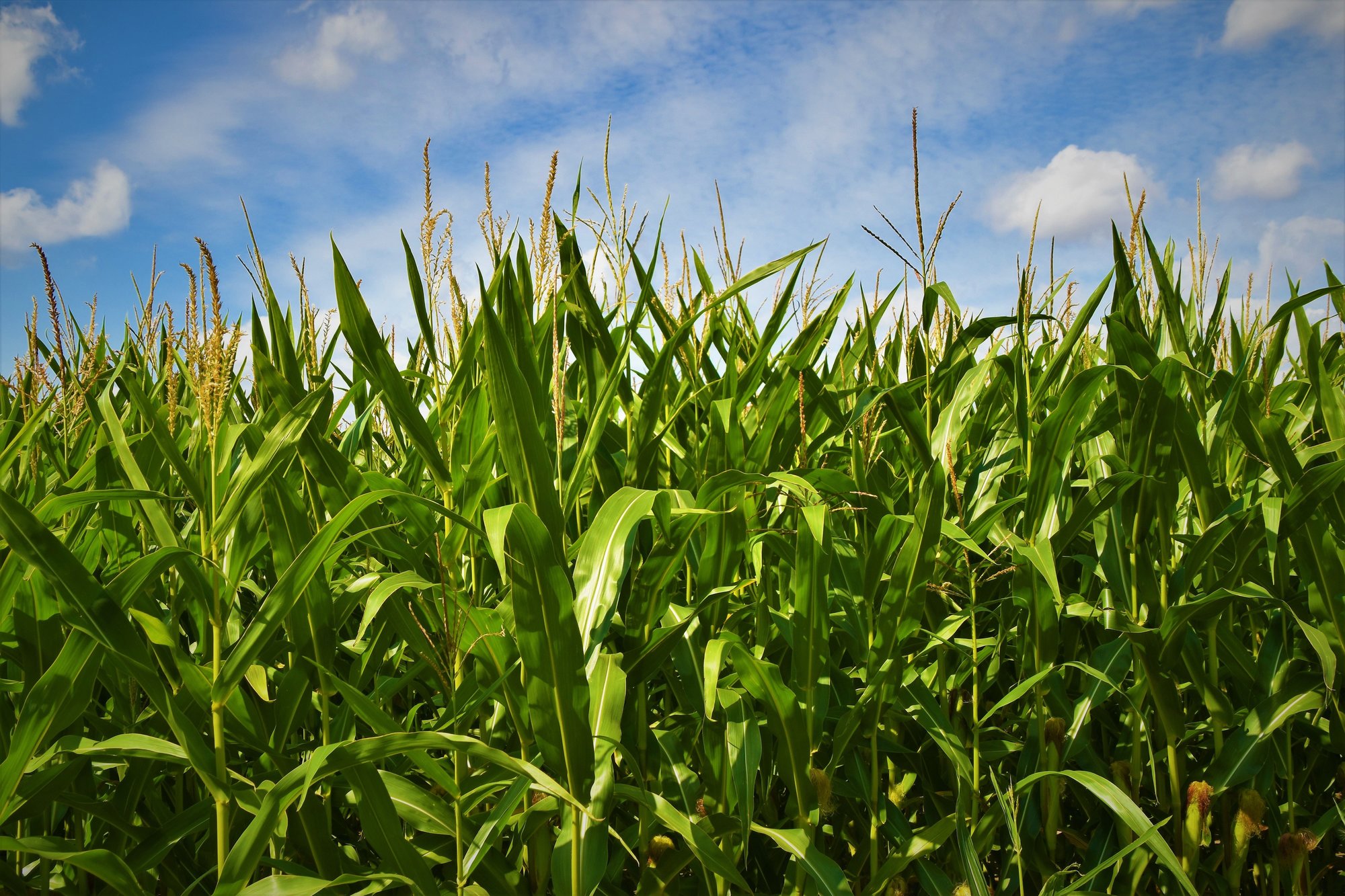
- Biomass-based ethanol (also called bioethanol): Produced by fermenting the sugars from crops like corn (maize), sugarcane, and wheat. It’s the most widely used biofuel and is often blended with gasoline. It can only be blended with gasoline up to 10% (E10) without requiring a special vehicle (flex-fuel).
- Biodiesel: Produced from vegetable oils (such as soybean, rapeseed, and palm oil) and animal fats. It can be blended with traditional diesel up to 20% (B20) in regular diesel engines.
First-generation biofuels have important drawbacks, including competition with food crops and land use change. Additionally, they have tradeoffs between the energy they provide, the land they require, and the emissions they help avoid, and these factors can vary depending on crop type, production methods, and transportation. In some cases, they can have a larger carbon footprint than their fossil fuel counterparts.
Because of these concerns, there has been an effort to shift toward second-generation (also called advanced) biofuels that are produced from non-food feedstocks, such as agricultural and forest residues, algae, municipal solid waste, and grasses that can grow on hillsides and won’t compete with food crops. Examples include:
- Renewable diesel: Produced from vegetable oils and animal fats. It’s categorized as second generation because it can be produced from used cooking oil and other non-food waste streams. It’s chemically identical to petroleum diesel and can be used in existing diesel engines (a “drop-in fuel”). Renewable diesel adoption is growing rapidly, especially in California, due to the state’s Low Carbon Fuel Standard.
- Cellulosic ethanol: Produced from agricultural and forestry residues, grasses, and other waste streams like paper. Cellulosic ethanol is more energy intensive, expensive, and technologically challenging to produce, limiting its growth.
Biofuels are mainly used for transportation, but they are a very small contributor to transportation energy. Demand for biofuels is expected to grow in the next five years due to climate goals and policy mandates. Visit our Gasoline, Diesel, Jet Fuel, etc. page for more information about transportation fuels.
Significance
Energy Mix
1% of world 🌎
2% of U.S. 🇺🇸
95% of Biofuel Use Is for Transportation
4%
of global transportation energy comes from biofuels
Ethanol
World
Fun Fact
Ethanol (also called ethyl alcohol) is the same type of alcohol found in drinks like vodka and whiskey, but fuel ethanol is denatured, meaning chemicals are added to make it unsafe to consume. Without denaturing, fuel ethanol would be taxed and regulated like liquor, making it far more expensive to produce and sell. And we also don’t want people drinking fuel!
Largest Producers
U.S. 52% 🇺🇸
Brazil 28% 🇧🇷
of global ethanol production
Largest Consumers
U.S. 50% 🇺🇸
Brazil 26% 🇧🇷
of global ethanol consumption
Corn vs Sugarcane for Ethanol Production
In the U.S., ethanol production is mostly from corn because that’s what the U.S. grows. In Brazil, it is mostly from sugarcane. Sugarcane is a far more efficient energy crop, yielding 590 gallons of ethanol per acre compared to 370-430 gallons from corn. In U.S. federal policy and California’s Low Carbon Fuel Standard, sugarcane ethanol meets a more stringent renewable fuel standard for having a lower carbon footprint than corn ethanol. This has led to an unintended consequence of the U.S. exporting corn ethanol to Brazil and importing sugarcane ethanol from Brazil.
Largest Consumers
Texas 11%
California 10%
of ethanol consumed in the U.S.
Biodiesel
World
Largest Producers
Europe 27%
U.S. 25% 🇺🇸
of global biodiesel production
Largest Consumers
U.S. 23% 🇺🇸
Indonesia 19% 🇮🇩
of global biodiesel consumption
Largest Consumers
California 14%
Texas 11%
of biodiesel consumed in the U.S.
Renewable Diesel
Largest Producers
U.S. 43%
E.U. 30%
of global renewable diesel production
*Remaining production is primarily in Asia, but is shipped to Europe.
Largest Consumer
California 97%
of total renewable diesel consumed in the U.S.
Spotlight on Sustainable Aviation Fuel
Globally, aviation is responsible for around 4% of total climate impact. In the U.S., aviation makes up 3% of total emissions and 10% of transportation emissions, with levels expected to double by 2050.
Sustainable aviation fuel (SAF) is a liquid hydrocarbon jet fuel made from renewable or waste resources (like fats, oils, and greases). Many experts are pointing to SAF as a way to decarbonize medium- and long-haul commercial aviation, which produce 95% of aviation GHG emissions and are currently hard to electrify due to battery weight. The carbon footprint of SAF will vary widely based on the feedstock and production process used.
Research and development efforts are focused on making a SAF that is a 100% drop-in fuel, compatible with today’s aircraft and fueling infrastructure. Currently, SAF can only replace ~10-50% of fossil jet fuel in a plane’s tank.
SAF makes up <1% of global aviation fuel, and slightly more than 0.1% in the U.S.
Key barriers to SAF include limited feedstock, no carbon price in many regions, and high production costs.
Drivers
- Global and national policies, such as tax incentives and renewable fuel standards, encourage the production of biofuels as part of their GHG reduction strategies
- Semi-renewable source of energy if resources are managed sustainably
- Energy diversification by reducing reliance on oil and helping mitigate energy price volatility
- Energy security by incentivizing domestic production and reducing reliance on foreign oil
- Rural development; production of biofuels can support economic opportunities in rural areas
- Technological advances that have improved the efficiency and cost-effectiveness of biofuel production
Barriers
- Net-carbon impact is unclear; some biofuels increase GHG emissions compared to fossil fuels
- Policy and regulatory uncertainty affects investment and development
- Air pollution challenges still exist
- Competition with agricultural land and resources for food crops affects feedstock availability and food security
- Planting single crops (monoculture) degrades soil and reduces biodiversity
- Large land-use requirements that lead to deforestation and habitat loss
- Use of pesticides and fertilizer harms water quality
- Can require lots of water usage
- Volatility of biofuel feedstock prices
- Global trade barriers
- Need for blending with fossil fuels and/or modification of engines for first-generation biofuels
- Lower fuel demand as EV sales increase
- Second-generation biofuels face challenges related to scaling up production, cost competitiveness with fossil fuels, and the development of efficient conversion technologies
Climate Impact:
Low to Medium

- Possibly carbon neutral, but bioenergy crops have different energy yields, and some crops require significant energy inputs, reducing their carbon savings
- Land use change such as deforestation or conversion of peat swamps to fuel crops releases carbon dioxide and methane
Environmental Impact:
Medium to High

- Does not improve air pollution: vehicles burning biofuels still emit harmful air pollutants
- Bioenergy crop production may induce deforestation; in Southeast Asia, rainforests were converted to palm oil plantations to feed the EU’s demand for biodiesel
- Agricultural processes can impact soil, water resources, and local biodiversity
Our 10-Minute Take On
Biofuels
If you're short on time, start by watching this video of key highlights from our lecture on Biofuels.

Presented by: Diana Gragg, PhD; Core Lecturer, Civil and Environmental Engineering, Stanford University; Explore Energy Managing Director, Precourt Institute for Energy
Recorded: September 5, 2025
Duration: 13 minutes
If you liked this video, watch the other 10-Minute Takes here!
Before You Watch Our Lecture on
Biofuels
We assign videos and readings to our Stanford students as pre-work for each lecture to help contextualize the lecture content. We strongly encourage you to review the readings below before watching our lecture on Biofuels.
Essential
- The Smelly, Greasy Truth About How Sustainable Aviation Fuel Is Made. Canary Media. January 12, 2023. (3 pages)
A truck driver dumpster-dives for used cooking oil in an effort to reduce emissions from commercial aviation. - DOE Makes $3B Commitment to Two Sustainable Aviation Fuel Projects. Canary Media. October 16, 2024. (3 pages)
Examines the DOE's investment in sustainable aviation fuel (SAF) to scale U.S. production and cut aviation emissions. - Biofuels Are Accelerating the Food Crisis — And the Climate Crisis, Too. Canary Media. April 19, 2022. (4 pages)
An opinion piece that provides supporting evidence that land is better used to grow food than to grow fuel. - Stop Trying to Make Algae Biofuels Happen. Canary Media. February 1, 2022. (2 pages)
This article makes the argument that using algae to produce biofuels is unlikely to succeed.
Optional
- Biden Team Sets out Path For Ethanol Aviation Fuel Subsidies. Reuters. April 30, 2024. (1 page)
Briefly describes key aspects of Biden's SAF subsidy program.
Our Lecture on
Biofuels
Our Stanford University Understand Energy course lecture on Biofuels is the last section of our Biomass for Energy lecture. We strongly encourage you to watch the designated lecture section below to understand the role of biofuels in our energy system and to be able to put this complex topic into context. For a complete learning experience, we also encourage you to review the Essential readings we assign to our students before watching the lecture.
Presented by: Diana Gragg, PhD; Core Lecturer, Civil and Environmental Engineering, Stanford University; Explore Energy Managing Director, Precourt Institute for Energy
Recorded on: November 19, 2025 Duration: 24 minutes
Table of Contents
(Clicking on a timestamp will take you to YouTube.)
Biomass Lecture
50:53 Biofuels: Introduction and Significance
58:27 Ethanol
1:04:44 Biodiesel and Renewable Diesel
1:05:58 Biofuel Sources
1:07:04 Incentives and Standards
1:13:38 Sustainable Aviation Fuels
1:14:16 Summary of Biofuel Concerns
Additional Resources About
Biofuels
Stanford University
- Energy Science and Engineering Department
- Inês Azevedo - Transition to sustainable and low carbon energy systems
- Adam Brandt - Life cycle assessment of petroleum production, unconventional fossil fuel resources
- Mark Jacobson - Developing large-scale clean, renewable energy solutions
Industry Organizations
Fast Facts Sources
- Energy Mix (World 2023): Energy Institute. Statistical Review of World Energy. 2024.
- Energy Mix (U.S. 2023): Energy Institute. Statistical Review of World Energy. 2024.
- Biofuels Uses (2021): International Energy Agency (IEA). World Energy Balances. 2024.
- Biofuel Types (2022): International Energy Agency. Global biofuel demand, historical, main and accelerated case, 2016-2028. 2024.
- Biofuels Demand (2018-2023): Energy Institute: Statistical Review of World Energy. 2024.
- Ethanol Feedstocks (2021): International Energy Agency (IEA). Is the biofuel industry approaching a feedstock crunch? 2022.
- Impacts of Ethanol Production: Sierra Club. Ethanol’s Contribution to a Record-Breaking Dead Zone in the Gulf of Mexico. 2017; University of Wisconsin-Madison. Increased ethanol production to worsen Gulf of Mexico ‘dead zone’. 2008.
- Ethanol Largest Producers (2024): Renewable Fuels Association. Annual World Fuel Ethanol Production.
- Ethanol Largest Consumers (2022): U.S. Energy Information Administration (EIA). Biofuels.
- Ethanol Highest Penetration (2022): U.S. Energy Information Administration (EIA). Biofuels; International Energy Agency (IEA). World Energy Balances. 2024.
- Ethanol Mandates (2024): REN21. Global Status Report. 2024.
- Corn and Sugarcane: Don Hofstrand. Brazil’s Ethanol Industry. 2016; U.S. Department of Agriculture (USDA). The Economic Feasibility of Ethanol Production From Sugar in the United States. 2006.
- Ethanol Largest Production Capacity (U.S. 2024): U.S. Energy Information Administration (EIA). U.S. Fuel Ethanol Plant Production Capacity. 2024.
- Ethanol Largest Consumers (U.S. 2023): U.S. Energy Information Administration (EIA). Table F31: Fuel ethanol consumption estimates.
- Ethanol Highest Penetration (U.S. 2022): U.S. Energy Information Administration (EIA). State Energy Data System (SEDS): 1960-2022. 2024.
- Biodiesel Feedstocks (2021): International Energy Agency (IEA). Is the biofuel industry approaching a feedstock crunch? 2022.
- Biodiesel Production Impacts: SEI. Indonesia makes progress towards zero palm oil deforestation – but gains in forest protection are fragile. 2022; Lima et al. Deforestation and the Social Impacts of Soy for Biodiesel: Perspectives of Farmers in the South Brazilian Amazon. 2011.
- Biodiesel Largest Producers (World 2022): International Energy Agency (IEA). World Energy Balances. 2024.
- Biodiesel Largest Consumers (World 2022): U.S. Energy Information Administration (EIA). Biofuels.
- Biodiesel Highest Penetration (World 2022): International Energy Agency (IEA). World Energy Balances. 2024.
- Biodiesel Mandates (2024): REN21. Global Status Report. 2024.
- Biodiesel Largest Production Capacity (U.S. 2024): U.S. Energy Information Administration (EIA). U.S. Biodiesel Plant Production Capacity. 2024.
- Biodiesel Largest Consumers (U.S. 2023): U.S. Energy Information Administration (EIA). Table F29: Biodiesel consumption estimates, 2023. 2025.
- Biodiesel Highest Penetration (U.S. 2022): U.S. Energy Information Administration (EIA). State Energy Data System (SEDS): 1960-2022. 2024.
- Renewable Diesel Feedstocks (World 2022): International Energy Agency (IEA). Transport Biofuels.
- Renewable Diesel Largest Producers (World 2022): REN21. Global Status Report. 2024.
- Renewable Diesel Largest Consumers (World 2023): IFPEN. Biofuels Dashboard 2024. 2025; U.S. Energy Information Administration (EIA). Table 10.4b Renewable Diesel Fuel Overview. 2025.
- Renewable Diesel Most Refining Capacity (U.S. 2023): U.S. Department of Energy (DOE). Renewable Fuels Data Center - Renewable Diesel. 2024.
- Renewable Diesel Largest Consumers (U.S. 2022): U.S. Energy Information Administration (EIA). State Energy Data System (SEDS): 1960-2022. 2024.
- Renewable Diesel Highest Penetration (U.S. 2022): U.S. Energy Information Administration (EIA). State Energy Data System (SEDS): 1960-2022. 2024.
- Sustainable Aviation Fuels: Our World in Data. What share of global CO₂ emissions come from aviation? 2024; National Renewable Energy Laboratory (NREL). Sustainable Aviation Fuel (SAF) State-of-Industry Report: State of SAF Production Process. 2024.
More details available on request.
Back to Fast Facts