
Biomass
Exploring Our Content
Check out our Energy Spotlight on food wastage!
Fast Facts About
Energy from Biomass
Principal Energy Uses: Heat, Transportation, Electricity
Form of Energy: Chemical
Biomass is a semi-renewable energy resource that comes from plants and animals. We categorize this resource as semi-renewable because it must be carefully managed to ensure we are not using it faster than it can be replenished. Biomass contains stored chemical energy from the sun that plants produce through photosynthesis. Biomass can be burned directly for heat or converted to liquid and gaseous fuels through various processes. Liquid biofuels and biogas are energy carriers, or currencies, that are easier to use, transport, and store.
Humans have been using biomass for heating, cooking, and lighting for thousands of years:
- Traditional biomass is wood, peat, or animal waste gathered and burned by people for cooking and heating. Traditional biomass is easy to store but has a low energy density and generates severe indoor air pollution with significant human health effects (almost 3 million deaths in 2023). Globally, over 2 billion people (~25% of the world’s population) still rely on traditional biomass, but energy statistics generally exclude it because it is not bought and sold, making it difficult to track. Traditional biomass provides roughly 6% of primary energy consumed worldwide.
- Commercial biomass (or modern bioenergy) is bought and sold and provides heat and electricity in homes, businesses, and industry, as well as liquid fuels for transportation. Commercial biomass accounts for about 6% of total end-use energy consumed worldwide.
Commercial biomass can be divided into three categories:
- Solid Biomass (energy resource) – woody material, crops, municipal solid waste (MSW), and animal and agricultural waste that can be directly burned to produce heat or to generate electricity.
- Liquid Biofuels (energy currency) – primarily ethanol, biodiesel, and renewable diesel – come from processing plant matter or waste such as cooking oil into substitutes for or additives to traditional vehicle fuels, including gasoline for automobiles, diesel for trucks and ships, and jet fuel for planes (see our Gasoline, Diesel, Jet Fuel, etc. and Biofuels pages for more information).
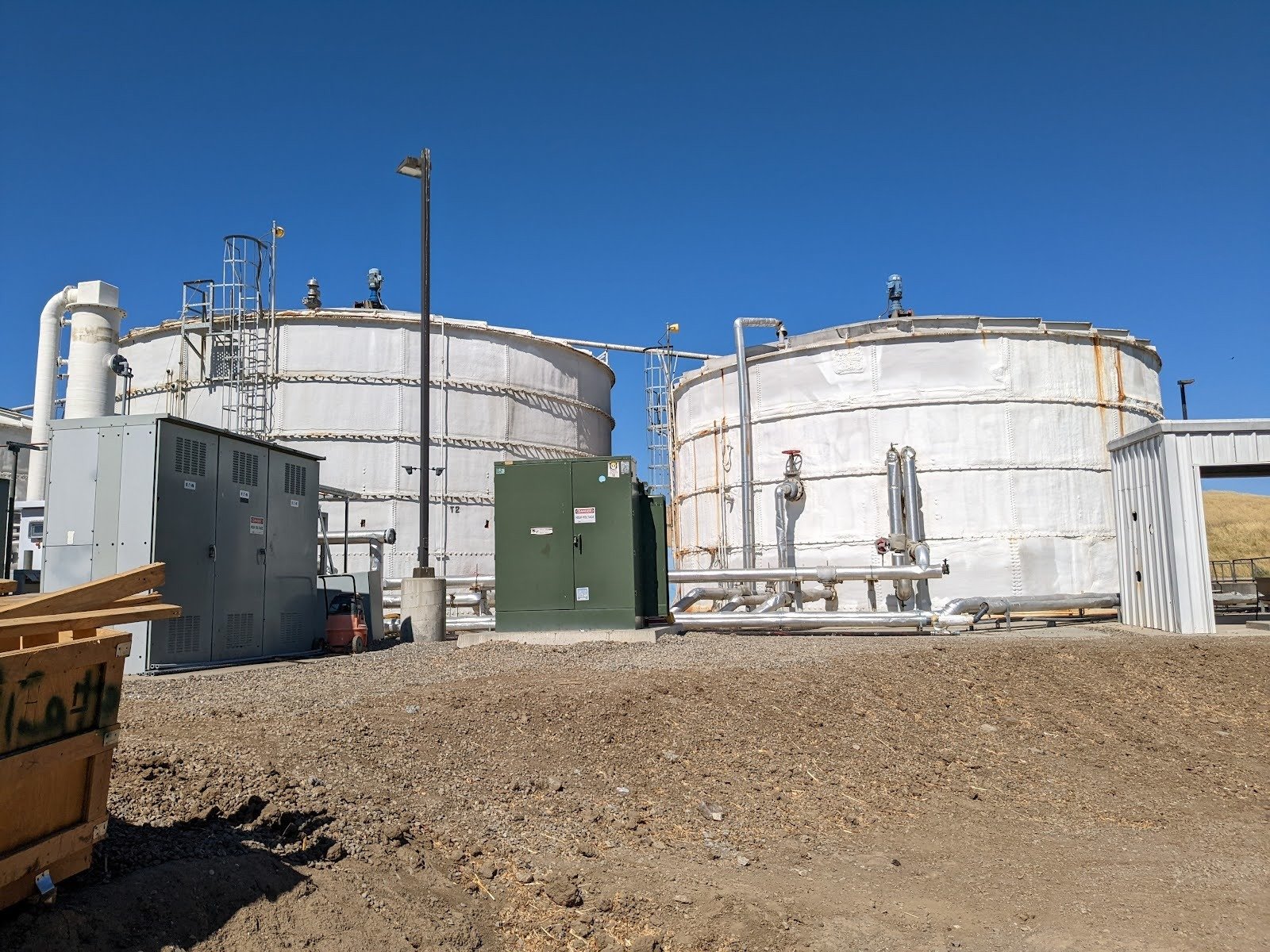
- Biogas (energy currency) – collected from decomposing plants, animal manure, human sewage, and municipal solid waste, and can be combusted for direct heat use or electricity generation. It can also be upgraded to biomethane (also known as renewable natural gas or RNG) by removing extra CO2, moisture, and contaminants. Biomethane is indistinguishable from natural gas and can be used as a replacement.
Advocates for biomass argue it is carbon neutral because the carbon released during combustion is reabsorbed by new plant growth through photosynthesis, but in many cases, it’s not carbon neutral. For example, studies show it takes 40-100 years for forests clear-cut for commercial biomass to regrow and reabsorb carbon from the atmosphere, and regrowth is uncertain (e.g., fire, insect damage, and re-harvest can all limit or prevent forest recovery). In the interim, the released carbon contributes to climate change. However, using waste streams for bioenergy can reduce climate and environmental impacts.
There are two main ways we can create bioenergy from Municipal Solid Waste (MSW):
- Waste-to-energy (WTE) incineration plants are the most common because they can reduce the volume of waste in landfills. They can also generate electricity and heat but have significant air pollution impacts.
- Landfill gas recovery captures the methane emissions from decomposing biomass in landfills or sewage treatment plants and burns the methane for heat and/or electricity generation. This method is cleaner-burning than WTE incineration and reduces methane emissions to the atmosphere.
Bioenergy from waste has experienced significant growth in Asia, especially in China, over the last decade.
Note: The data in the charts below do not include traditional biomass.
Commercial Biomass/Modern Bioenergy
Energy Mix
<3% of world 🌎
5% of U.S. 🇺🇸
Solid Biomass Dominates Global Bioenergy Supply
Solid Biomass: 83%
Liquid Biofuels: 9%
Industrial and municipal solid waste: 5%
Biogas: 3%
Uses of Bioenergy*
Heat: 71%
Transportation: 19%
Electricity: 10%
of total global bioenergy
*Excluding conversion losses
Bioenergy Demand
Increase:
⬆ 25%
(2017-2022)
Electricity Generation
2% of world 🌎
1% of U.S. 🇺🇸
Transportation Energy
4% of world 🌎
6% of U.S. 🇺🇸
Heat Generation
8% of world 🌎
8% of U.S. 🇺🇸
Use of Bioenergy in Electricity
Denmark 20% 🇩🇰
Finland 14% 🇫🇮
of country’s electricity consumption
Use of Bioenergy in Transportation
Sweden 24% 🇸🇪
Brazil 22% 🇧🇷
of country’s total transport energy
Use of Bioenergy in Heat
Denmark 30% 🇩🇰
Sweden 25% 🇸🇪
of country’s heat consumption
Solid Biomass (Energy Resource)
Sources of solid biomass: natural woodlands, managed forests, fuelwood plantations
Liquid Biofuels (Energy Currency)
Biogas (Energy Currency)
World
Biomass (Primarily for Electricity and Heat)
Largest Biomass Electricity Producer
China 29% 🇨🇳
Brazil 8% 🇧🇷
of global electricity generated from biomass and waste
Most Biomass Heat Generation
Europe 79%
of global biomass heat generation
Highest Penetration
Finland 14% 🇫🇮
Denmark 14% 🇩🇰
of country’s total electricity consumption
Highest Usage of MSW
Japan 77% 🇯🇵
of MSW incinerated for energy recovery
Biofuels (Primarily for Transportation)
Largest Producer
U.S. 37% 🇺🇸
of global biofuels production
Largest Consumer
U.S. 33% 🇺🇸
of global biofuels consumption
Highest Penetration
Sweden 26% 🇸🇪
Brazil 22% 🇧🇷
of country’s transportation energy comes from biofuels
Biogas (Primarily for Electricity and Heat)
Largest Producer
Europe 46%
of global biogas production
Largest Consumer
Germany 33% 🇩🇪
of global biogas-based electricity
Highest Penetration
Germany 6% 🇩🇪
of country’s electricity comes from biogas
U.S.
Biomass in the U.S. (for Electricity and Heat)
Largest Production Capacity
North Carolina 16%
Georgia 14%
of U.S. biomass production capacity
Largest Consumers
Georgia 9%
of U.S. biomass consumption
970,000 households in New England (17%) use wood for space heating
Highest Penetration
Vermont 18%
of state’s electricity comes from biomass
The U.S. dominates the wood pellet export market. In 2025, it exported 8.5 million tonnes (about a quarter of total global wood pellet exports). Most exports go to Europe and come mainly from forests in the Southeast U.S. Eighty-eight percent (8.8 million tonnes/year) of the U.S.’s wood pellet manufacturing capacity is in the South, mainly in North Carolina and Georgia.
Biofuels in the U.S. (for Transportation)
Largest Producer
Iowa 22%
of U.S. biofuels production
Largest Consumer
California 30%
of U.S. biofuels consumption
Highest Penetration
California 16%
Oregon 15%
of state's transport fuel is biofuels
Biogas in the U.S. (for Electricity and Heat)
Largest Producers
California 18%
of U.S. biogas production (for electricity and heat)*
Pennsylvania 14%
of U.S. biomethane production**
Largest Consumer
California 17%
of U.S. biogas consumption (just for electricity)
Highest Penetration
Vermont 6%
of state’s electricity generation capacity is biogas
*Includes biogas production from landfill gas energy projects and livestock anaerobic digesters
**Includes biomethane production across four project types: food waste, landfills, livestock and agriculture, and water resource recovery facilities
Drivers
- Widely available resource in many settings
- Easy to store (particularly solid biomass and liquid biofuels)
- Waste stream that can be used as a fuel (e.g., landfill, forestry industry, sewage, etc.)
- Semi-renewable but must be carefully managed to be sustainable
- Diverse bioenergy resources, each with different characteristics
- Can replace fossil fuels, particularly for transportation and heat
- Useful byproducts, such as fertilizer
- Potential to be carbon neutral
Barriers
- Competition with agricultural land and resources for food crops
- Planting single crops (monoculture) degrades soil and reduces biodiversity
- Use of pesticides and fertilizer can harm water quality
- Can require lots of water
- Significant air pollution from combustion, except for biogas
- Many biomass fuels are not carbon neutral (e.g., forests can take 10-100+ years to regrow)
- Large land-use requirements can lead to deforestation
- Biomass-based power plants operate at a lower temperature than fossil fuel plants, which reduces efficiency
- Regrowth is uncertain (e.g., fire, insect damage, re-harvest)
Climate Impact: Low to High

- Bioenergy crops have different energy yields, and some crops require significant energy inputs, reducing or eliminating their carbon savings
- Land use change such as deforestation or conversion of peat swamps to fuel crops releases carbon dioxide and methane
- Tapping waste streams for bioenergy can reduce these impacts
Environmental Impact: Medium to High

- Significant air pollution (e.g., vehicles burning biofuels deteriorate air quality and human health, particularly in urban settings)
- Bioenergy crop production may induce deforestation (e.g., in Southeast Asia, rainforests were converted to palm oil plantations to feed the EU’s demand for biodiesel)
- Agricultural processes can impact soil, water resources, and local biodiversity (e.g., increase in fertilizer use for corn ethanol has contributed to the dead zones in the Gulf of Mexico)
- Potential thermal pollution of waterways
Our 10-Minute Take On
Biomass
If you're short on time, start by watching this video of key highlights from our Biomass lecture.

Presented by: Diana Gragg, PhD; Core Lecturer, Civil and Environmental Engineering, Stanford University; Explore Energy Managing Director, Precourt Institute for Energy
Recorded: June 27, 2025
Duration: 12 minutes
If you liked this video, watch the other 10-Minute Takes here!
Before You Watch Our Lecture on
Biomass
We assign videos and readings to our Stanford students as pre-work for each lecture to help contextualize the lecture content. We strongly encourage you to review the Essential videos and readings below before watching our lecture on Biomass. Include selections from the Optional and Useful list based on your interests and available time.
Essential
- Growing California Video Series: Cow Power. California Department of Food and Agriculture. March 13, 2015. (4 minutes)
How one dairy is using an anaerobic digester to convert cow manure into methane gas to produce electricity. - It’s Like We Don’t Matter: Green Energy Loophole Has Devastating Impact. CNN. July 7, 2021. (6 min)
How the production of biomass for Europe is affecting poor rural communities in the American South. - How Gasification Turns Waste Into Energy. CNBC. February 9, 2020. (16 min)
An explanation of how gasification works and why it could be a better alternative than incineration. - How Rotting Vegetables Make Electricity. World Wide Waste. March 6, 2021. (5 min)
How the Bowenpally market in India converts unsold vegetables into biogas that powers buildings, streetlights, and a kitchen that serves 800 meals a day. - The Smelly, Greasy Truth About How Sustainable Aviation Fuel Is Made. Canary Media. January 12, 2023. (3 pages)
A truck driver dumpster-dives for used cooking oil in an effort to reduce emissions from commercial aviation. - DOE Makes $3B Commitment to Two Sustainable Aviation Fuel Projects. Canary Media. October 16, 2024. (3 pages)
An overview of the DOE's commitments to two companies working to turn crops and waste feedstocks into jet fuel. - Biofuels Are Accelerating the Food Crisis — And the Climate Crisis, Too. Canary Media. April 19, 2022. (4 pages)
An opinion piece that provides supporting evidence that land is better used to grow food than to grow fuel. - Stop Trying to Make Algae Biofuels Happen. Canary Media. February 1, 2022. (2 pages)
This article makes the argument that using algae to produce biofuels is unlikely to succeed.
Optional and Useful
- Biomass. NEED.org. 2025. (5 pages)
An excellent overview of biomass. - Global Status Report, Renewables in Energy Supply, Bioenergy. REN21. 2025. (6 pages)
Market and industry trends for bioenergy. - Biden Team Sets out Path For Ethanol Aviation Fuel Subsidies. Reuters. April 30, 2024. (1 page)
Briefly describes key aspects of Biden's sustainable aviation fuel (SAF) subsidy program. - Europe’s Renewable Energy Policy Is Built on Burning American Trees. Vox. March 4, 2019. (7 pages)
A good overview of the complexities of biomass as an energy source. - Algae-Based Products for a Sustainable Future. Cellana. June 29, 2012. (2 minutes)
A look at how Cellana uses marine microalgae to produce Omega-3 EPA and DHA oils, animal feed, and biofuel feedstocks. - Biomass 101. Student Energy. June 2015. (4 min)
A simple and concise introduction to biomass. - Mapped: 30 Years of Deforestation and Forest Growth, by Country. Visual Capitalist. December 29, 2021. (4 pages)
Maps of deforestation and forest growth around the world.
Our Lecture on
Biomass
This is our Stanford University Understand Energy course lecture on biomass. We strongly encourage you to watch the full lecture to understand biomass as an energy system and to be able to put this complex topic into context. For a complete learning experience, we also encourage you to watch / read the Essential videos and readings we assign to our students before watching the lecture.
Presented by: Diana Gragg, PhD; Core Lecturer, Civil and Environmental Engineering, Stanford University; Explore Energy Managing Director, Precourt Institute for Energy
Recorded on: November 3 & 19, 2025 Duration: 75 minutes
Additional Resources About
Biomass
Government and International Organizations
- International Energy Agency (IEA) Bioenergy
- US Energy Information Administration (EIA) Biomass Explained
- US Energy Information Administration (EIA) Today in Energy Biomass
- US Environmental Protection Agency (EPA) Landfills
- US Bioenergy Technologies Office (BETO)
- National Renewable Energy Laboratory (NREL) Biomass Energy Basics
- California Energy Commission Biomass
Fast Facts Sources
- Share of Global Population Relying on Traditional Biomass (2022): International Energy Agency (IEA). SDG7 Database. 2023.
- Traditional Biomass Primary Consumption (World 2025): Energy Institute. Statistical Review of World Energy. 2026; Vaclav Smil. Energy Transitions: Global and National Perspectives. 2017.
- Deaths from Indoor Air Pollution (2023): International Energy Agency (IEA). Bioenergy. 2024.
- Biomass Carbon Payback: Sterman et al. Does replacing coal with wood lower CO2 emissions? Dynamic lifecycle analysis of wood bioenergy. 2018.
- Energy Mix (World 2025): Energy Institute. Statistical Review of World Energy. 2026.
- Energy Mix (U.S. 2025): U.S. Energy Information Administration (EIA). Monthly Energy Review. 2026.
- Bioenergy Supply (2023): World Bioenergy Association. Global Bioenergy Statistics Report. 2025.
- Uses of Bioenergy (2022): REN21. Renewables 2024 Global Status Report. 2024; REN21. Renewables 2025 Global Status Report. 2025.
- Bioenergy Demand (2017-2022): REN21. Renewables 2018 Global Status Report. 2018; REN21. Renewables 2024 Global Status Report. 2024; REN21. Renewables 2025 Global Status Report. 2025.
- Bioenergy Electricity Generation (World 2024): World Bioenergy Association. Global Bioenergy Statistics Report. 2025; Energy Institute. Statistical Review of World Energy. 2025.
- Bioenergy Electricity Generation (U.S. 2025): U.S. Energy Information Administration (EIA). Monthly Energy Review. Electricity Table 7.2a. 2026.
- Transportation Energy (World 2022): REN21. Renewables 2025 Global Status Report. 2025.
- Transportation Energy (U.S. 2025): U.S. Energy Information Administration (EIA). Monthly Energy Review, Table 2.5. 2026.
- Heat Generation (World 2023): REN21. Renewables 2025 Global Status Report. 2025.
- Heat Generation (U.S. 2025): U.S. Energy Information Administration (EIA). Monthly Energy Review, Tables 2.2, 2.3, 2.4. 2026.
- Use of Bioenergy in Electricity (2022): International Energy Agency (IEA). IEA Bioenergy: Countries’ Report - Update 2024, Denmark, Finland. 2024.
- Use of Bioenergy in Transportation (2022): International Energy Agency (IEA). IEA Bioenergy: Countries’ Report - Update 2024, Brazil, Sweden. 2024.
- Use of Bioenergy in Heat (2022): International Energy Agency (IEA). IEA Bioenergy: Countries’ Report - Update 2024, Denmark, Sweden, Finland. 2024.
- Solid Biomass Uses (2023): World Bioenergy Association. Global Bioenergy Statistics Report. 2025.
- Solid Biomass Resources (2023): World Bioenergy Association. Global Bioenergy Statistics Report. 2025.
- Liquid Biofuels Uses (2023): International Energy Agency (IEA). World Energy Balances. 2026.
- Liquid Biofuels Resources (2022): International Energy Agency (IEA). Total biofuel production by feedstock, main case, 2021-2027. 2022.
- Biogas Uses (2018): International Energy Agency (IEA). Biogas consumption by end use. 2020.
- Biogas Resources (2018): International Energy Agency (IEA). Biogas production by region and by feedstock type, 2018. 2020.
- Biomass Electricity Generation by Country (World 2024): U.S. Energy Information Administration (EIA). Electricity Generation by Country. 2026.
- Most Biomass Heat Generation (World 2022): World Bioenergy Association. Global Bioenergy Statistics Report. 2024.
- Highest Biomass Penetration (World 2022): International Energy Agency (IEA). IEA Bioenergy: Countries’ Report – update 2024. 2024; International Energy Agency (IEA). Implementation of bioenergy in Denmark – 2024 update. 2024.
- Highest Usage of MSW (World 2023): Organization of Economic Co-operation and Development (OECD). OECD Data Explorer: Waste - Municipal waste: generation and treatment. 2026.
- Largest Biofuels Producer (World 2025): Energy Institute. Statistical Review of World Energy. 2026.
- Largest Biofuels Consumer (World 2025): Energy Institute. Statistical Review of World Energy. 2026.
- Highest Biofuels Penetration (World 2022): International Energy Agency (IEA). IEA Bioenergy: Countries’ Report – update 2024. 2024; International Energy Agency (IEA). Implementation of bioenergy in Brazil – 2024 update. 2024; International Energy Agency (IEA). Implementation of bioenergy in Sweden – 2024 update. 2024.
- Largest Biogas Producer (World 2023): International Energy Agency (IEA). World Energy Balances. 2026.
- Largest Biogas Consumer (World 2023): International Energy Agency (IEA). World Energy Balances. 2026.
- Highest Biogas Penetration (World 2023): International Energy Agency (IEA). World Energy Balances. 2026.
- Highest Biomass Production Capacity (U.S. 2026): U.S. Energy Information Administration (EIA). Monthly Densified Biomass Fuel Report. 2026.
- Highest Biomass Consumption (U.S. 2024): U.S. Energy Information Administration (EIA). State Profiles and Energy Estimates. 2026.
- Wood for Heating Homes by Region (U.S. 2020): U.S. Energy Information Administration (EIA). Residential Energy Consumption Survey (RECS). 2023.
- Highest Biomass Penetration (U.S. 2024): U.S. Energy Information Administration (EIA). Electricity Historical State Data. 2026.
- Wood Pellet Exports (2024, 2025): U.S. Energy Information Administration (EIA). Monthly Densified Biomass Fuel Report. 2026; Food and Agriculture Organization (FAO). FAOSTAT: Forestry Production and Trade. 2025.
- Largest Biofuels Producer (U.S. 2025): U.S. Energy Information Administration (EIA). U.S. Fuel Ethanol Plant Production Capacity. 2026; U.S. Energy Information Administration (EIA). U.S. Fuel Biodiesel Plant Production Capacity. 2026; U.S. Energy Information Administration (EIA). U.S. Fuel Renewable Diesel Fuel and Other Biofuels Plant Production Capacity. 2026.
- Largest Biofuels Consumers (U.S. 2024): U.S. Energy Information Administration (EIA). U.S. State Profiles and Energy Estimates. 2026.
- Highest Biofuels Penetration (U.S. 2024): U.S. Energy Information Administration (EIA). U.S. State Profiles and Energy Estimates. 2026.
- Largest Biogas Producer (U.S. 2022): U.S. Environmental Protection Agency (EPA). Livestock Anaerobic Digester Database. 2024; U.S. Environmental Protection Agency (EPA). Project and Landfill Data by State. 2024.
- Largest Biomethane Producer (U.S. 2023): Argonne National Laboratory. Renewable Natural Gas Database.
- Largest Biogas Consumer (U.S. 2022): U.S. Environmental Protection Agency (EPA). Livestock Anaerobic Digester Database. 2024; U.S. Environmental Protection Agency (EPA). Project and Landfill Data by State. 2024.
- Highest Biogas Penetration (U.S. 2022): U.S. Environmental Protection Agency (EPA). Livestock Anaerobic Digester Database. 2024; U.S. Environmental Protection Agency (EPA). Project and Landfill Data by State. 2024; U.S. Energy Information Administration (EIA). Electricity Historical State Data. 2024.
More details available on request.
Back to Fast Facts