
Electricity Generation
Exploring Our Content
Check out our Energy Spotlight on Electricity!
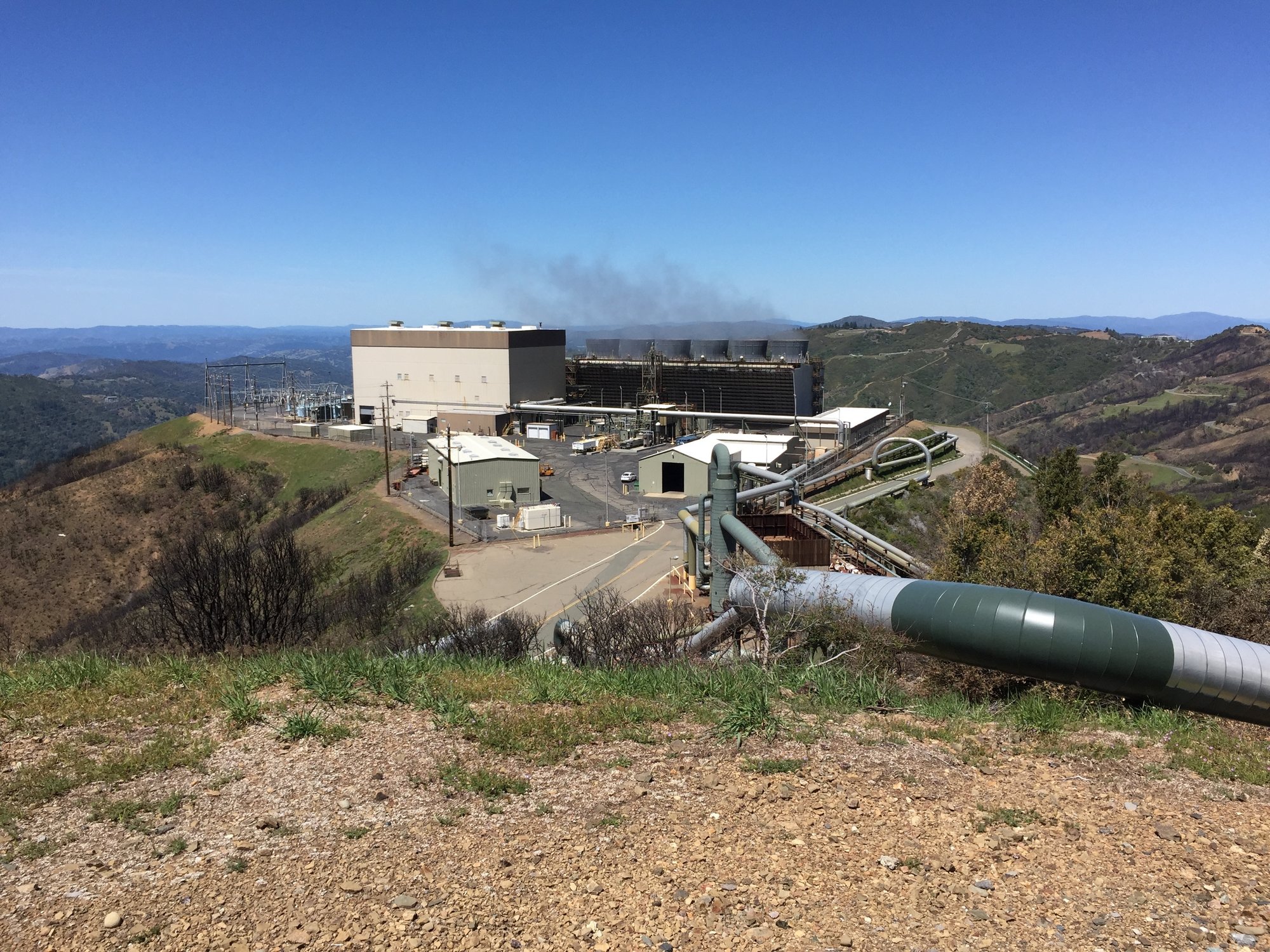
Fast Facts About
Electricity Generation
Principal Uses for Electricity: Manufacturing, Heating, Cooling, Lighting
Electricity is a high-quality, extremely flexible, efficient energy currency that can be used for delivering all types of energy services, including powering mobile phones and computers, lights, motors, and refrigeration. It is associated with modern economic activity and improved quality of life. (See our Energy for Buildings Fast Facts for additional examples of how electricity is used.)
Global electricity demand has been increasing for decades due to population growth, increased access, economic growth, and climate change (e.g., higher temperatures = more air conditioning use). Electricity demand in the United States has been relatively flat over the past decade; however, U.S. demand is expected to grow in the coming years with increased use of the internet and AI, both of which require energy-intensive data centers, and the increased adoption of new technologies like electric vehicles and heat pumps.
59% of global electricity is generated from fossil fuels in thermal power plants, where an average of 55% to 70% of resource energy is lost as waste heat. Electricity generation from cleaner renewable energy sources, particularly wind and solar PV, is rapidly increasing.
For more information about electricity, visit our The Grid: Electricity Transmission, Industry, and Markets and Decarbonization of the Electric Power Sector pages.
Key Terms
Power Plants
Baseload
Must run continuously because it takes a long time to turn them on and off
Intermediate
Used to follow demand due to their ability to ramp up and down and relatively low operating costs
Peaking
Can come online quickly to fill peaks in demand but are typically expensive to run
Intermittent
Not continuously available but often the lowest cost
Capacity Factor
Measures a power plant's utilization over a given period of time (usually a year); calculated as the ratio between the amount of energy produced and the theoretical total maximum energy production
Example: A 100 MW power plant that produces 500,000 MWh of electricity in a year
$${capacity factor} = {500,000 MWh\over{100 MW \times \frac{24 hr}{day} \times \frac{365 days}{year}}}=57\%$$
Efficiency
The percentage of fuel that a power plant converts to electricity; calculated as the ratio of energy output (electricity) to energy input
Example: A coal power plant uses 400 tonnes of coal to produce 45 MW of electricity each day. The coal has an energy content of approximately 29,000 MJ/tonne
$$efficiency = {{45 MW \times \frac{24 hrs}{day} \times \frac{3,600 MJ}{MWh}} \over {\frac{400 tonnes}{day} \times \frac{29,000 MJ}{tonne}}} = 34\%$$
Electricity Resources
Lifecycle Emissions
Total GHG emissions from a resource across its lifetime, from raw material extraction to end of life management
Example units: gCO2e/kWh; ton CO2e/MWh
Direct Emissions
Emissions from direct use of a resource, including emissions from vehicles, fuel combustion, and fugitive emissions
Example units: gCO2e/kWh; ton CO2e/MWh
LCOE
Levelized cost of energy is calculated as the ratio of annualized cost to annualized generation and allows for the comparison of different electricity generating technologies taking into account factors like generation/output, capital costs, fuel costs, operating costs, and asset lifetimes
Example units: $/MWh
Watch this video for an example of how LCOE is calculated.
Key Attributes of Primary Electricity Resources
Natural Gas (Combined Cycle) | Natural Gas (Gas Turbine) | Wind | Solar PV | Coal | Nuclear | Hydro | |
|---|---|---|---|---|---|---|---|
| Resource Category | fossil fuel | fossil fuel | renewable | renewable | fossil fuel | nuclear | semi-renewable |
| Median direct emissions (gCO2e/kWh) | 370 | 653 | 0 | 0 | 760 | 0 | 0 |
| Median lifecycle emissions (gCO2e/kWh) | 490 | data not available | 11 | 48 | 820 | 12 | 24 |
| Flexibility | intermediate | peaking | intermittent | intermittent | baseload | baseload | intermediate & intermittent |
| Capacity Factor (U.S. average) | 60% | 15% | 34% | 23% | 43% | 92% | 35% |
| Fuel Cost | variable | variable | free | free | variable | variable | free |
| U.S. LCOE ($/MWh) | $48-109 | $149-251 | $37-157 | $38-78 | $71-173 | $141-228 | data not available |
| Share of Global Electricity Generation | 22% | 8% | 7% | 34% | 9% | 14% | |
| Global Growth (2019-2024) | 8% | 77% | 199% | 9% | 1% | 5% | |
World
Energy Resources Used for Electricity Generation
40%
of global primary energy resources are used to generate electricity*
*Includes transformation in electricity, combined heat and power (CHP) plants, and heat plants, as well as heat pumps, electric boilers, and chemical heat for electricity production.
U.S.
Energy Resources Used for U.S. Electricity Generation
35%
of U.S. primary energy resources are used to generate electricity*
*The electric power sector comprises electric-only and CHP plants.
Average U.S. Thermal Power Plant Efficiency
Natural gas* 44%
Coal 32%
Nuclear 33%
*For combined cycle plants
Drivers
- High-quality energy currency: flexible and relatively efficient for end uses
- Many resources can be used to generate electricity
- Important for modern quality of life, reduced indoor air pollution, and human health
- Increase in access worldwide allows for improved education and economic activity
- Growing demand from economic and population growth
- Increase in electrification due to demand for decarbonization
- Distributed generation (e.g., residential rooftop solar panels) can give users more control over reliability, help manage growing demand, increase low-carbon generation, and reduce the need for grid updates
Barriers
- Difficult and expensive to store, must match supply and demand in real time
- Opposition due to land use impacts from transmission and distribution (NIMBY/BANANA*)
*NIMBY - not in my backyard; BANANA - build absolutely nothing anywhere near anything
Climate Impact: High*

- 33% of global greenhouse gas emissions come from electricity generation (includes CHP)
- 25% of U.S. greenhouse gas emissions come from electricity generation
Environmental Impact: High*
- Air pollution (SOx, NOx, air toxics, mercury)
- Water use (cooling)
- Water contamination (nuclear, ash ponds)
- Thermal pollution (rivers, lakes, oceans)
- Solid waste (ash, nuclear)
- Land use
- Visual
- Noise
- Radioactivity
- Catastrophic failure
- Power plant decommissioning (especially nuclear)
- Habitat encroachment and contamination
*These impacts are dependent on the source of electricity. They are high because electricity is currently generated mainly from fossil fuels. As cleaner resources replace fossil fuels, the impacts are being reduced.
Our 10-Minute Take On
Electricity Generation
If you're short on time, start by watching this video of key highlights from our lecture on Electricity Generation.

Presented by: Diana Gragg, PhD; Core Lecturer, Civil and Environmental Engineering, Stanford University; Explore Energy Managing Director, Precourt Institute for Energy
Recorded: May 2, 2025
Duration: 13 minutes
If you liked this video, watch the other 10-Minute Takes here!
Before You Watch Our Lecture on
Electricity Generation
We assign videos and readings to our Stanford students as pre-work for each lecture to help contextualize the lecture content. We strongly encourage you to review the Essential videos and readings below before watching our lecture on Electricity Generation. Include selections from the Optional and Useful list based on your interests and available time.
Essential
- MidAmerican Energy Coal-Fueled Power Plant Virtual Tour. MidAmerican Energy. August 7, 2013. (7 min)
Learn how a steam-cycle thermal power plant works. - How a Gas Turbine Works. Solar Turbines. March 27, 2019. (1 min)
Gas turbines are used for peaking plants and as part of combined cycle power plants, generally powered by natural gas. - Drought Threatens Coal Plant Operations — And Electricity — Across the West. NPR. August 26, 2022. (5 pages)
Drought is impacting water use for cooling in thermal power plants.
Optional and Useful
- How Electricity Is Changing Around the World. The New York Times. November 20, 2023. (2 pages)
Explore the changes in electricity generation country by country to see why the power sector is producing more carbon emissions. - California Consumers Respond to Appeals for Electricity Conservation During Heat Wave. EIA Today in Energy. September 28, 2022. (1 page)
Californians avoid blackouts with demand response. - U.S. Utilities Decarbonization Index. National Public Utilities Council. 2025.
Find your investor-owned utility. - Levelized Cost of Energy+. Lazard. 2025. (48 pages)
Analysis of the levelized costs of energy from various generation technologies, energy storage technologies, and hydrogen production methods. - Tracking Emissions in the US Electricity System. Stanford Mapping Project. Updates continuously.
The hourly carbon footprint of the US electricity system. - Electricity. Bill Nye The Science Guy. April 5, 2012. (7 min)
A kid-friendly introduction to electricity. - Electricity Explained: How Electricity is Generated. EIA. November 9, 2022. (2 pages)
A good overview of the different types of electric generators.
Our Lecture on
Electricity Generation
This is our Stanford University Understand Energy course lecture on electricity generation. We strongly encourage you to watch the full lecture to understand how electricity is generated and the significant role it plays in the global energy system. For a complete learning experience, we also encourage you to watch / read the Essential videos and readings we assign to our students before watching the lecture.
Presented by: Diana Gragg, PhD; Core Lecturer, Civil and Environmental Engineering, Stanford University; Explore Energy Managing Director, Precourt Institute for Energy
Recorded on: April 25, 2025 Duration: 64 minutes

Additional Resources About
Electricity Generation
Stanford University
- Bits & Watts Initiative
- Civil and Environmental Engineering Department
- Ram Rajagopal - Power networks, electric grid
- Management Science and Engineering Department
- John Weyant - Energy markets, integrated modeling, tax and regulation
- James Sweeney - Energy markets, integrated modeling, tax and regulation
- Program on Energy and Sustainable Development
- Frank Wolak - Electric grid, energy markets
- Mark Thurber - Energy markets
- Energy Science and Engineering Department
- Inez Azevedo - Electric grid, grid scale storage, energy markets
- Srabanti Chowdhury - Electric grid
- Materials Science and Engineering Department
- Yi Cui - Electric grid, grid scale storage
- Mechanical Engineering Department
- Arun Majumdar - Electric grid, grid scale storage
- Electrical Engineering Department
- Abbas el Gamal - Electric grid
Industry Organizations
Fast Facts Sources
- Electricity Mix (World 2024): Energy Institute. Statistical Review of World Energy. 2025.
- Median Direct Emissions (World 2014): Intergovernmental Panel on Climate Change (IPCC). Climate Change 2014: Mitigation of Climate Change, Annex III, Table A.III.2. 2014; Intergovernmental Panel on Climate Change (IPCC). Guidelines for National Greenhouse Gas Inventories, p. 16. 2006; U.S. Energy Information Administration (EIA). Annual Electric Generator Report, Table 8.2. 2025.
- Median Lifecycle Emissions (World 2014): Intergovernmental Panel on Climate Change (IPCC). Climate Change 2014: Mitigation of Climate Change, Annex III, Table A.III.2. 2014.
- Average Capacity Factor (U.S. 2024): U.S. Energy Information Administration (EIA). Electric Power Monthly, Tables 6.7a-6.7b. 2025.
- Levelized Cost of Energy (U.S. 2025): Lazard. Levelized Cost of Energy+. 2025.
- Share of Global Electricity Generation (World 2024): Energy Institute. Statistical Review of World Energy. 2025.
- Global Growth (World 2019-2024): Energy Institute. Statistical Review of World Energy. 2025.
- Energy Resources Used for Electricity Generation (World 2023): International Energy Agency (IEA). Energy Sankey. 2025.
- Electricity Generation by Source (World 2024): Energy Institute. Statistical Review of World Energy. 2025.
- Electricity Generation by Region (World 2024): Energy Institute. Statistical Review of World Energy. 2025.
- Energy Resources Used for Electricity Generation (U.S. 2024): U.S. Energy Information Administration (EIA). Monthly Energy Review, Tables 1.1 & 2.6. 2025.
- Electricity Generation by Source (U.S. 2024): U.S. Energy Information Administration (EIA). Monthly Energy Review, Table 7.2. 2025.
- Thermal Power Plant Efficiency (U.S. 2024): U.S. Energy Information Administration (EIA). Electric Power Annual, Table 8.1. 2025.
- Electricity Generation by Region (U.S. 2024): U.S. Energy Information Administration (EIA). Power Plant Operations Report. 2025.
- GHG Emissions from Electricity Generation (World 2022): Climate Watch. Historical GHG Emissions. 2024.
- GHG Emissions from Electricity Generation (U.S. 2022): U.S. Environmental Protection Agency (EPA). U.S. Greenhouse Gas Emissions by Economic Sector. 2025.
More details available on request.
Back to Fast Facts