
Understand Oil Trade and Transportation

Happy spring! This edition of Stanford University’s Understand Energy Learning Hub Energy Spotlight covers oil trade and transportation. Last month’s issue on crude oil provides some useful context, so be sure to check it out if you missed it. If you like what you see, please share widely and encourage others to subscribe. You can also check out all of our past issues!
What you need to know
Significance: Oil, also known as petroleum, is the world's most-used energy resource and provides more than 90% of global transportation energy. Oil is a globally traded commodity. In 2024, about half of the world’s crude oil supply and a quarter of petroleum products (e.g., gasoline, diesel, jet fuel) were traded internationally. Disruption to oil transportation impacts global oil prices and can have significant effects on economies and geopolitics. For example, oil prices surged by 50% after the start of the United States-Israel war with Iran.
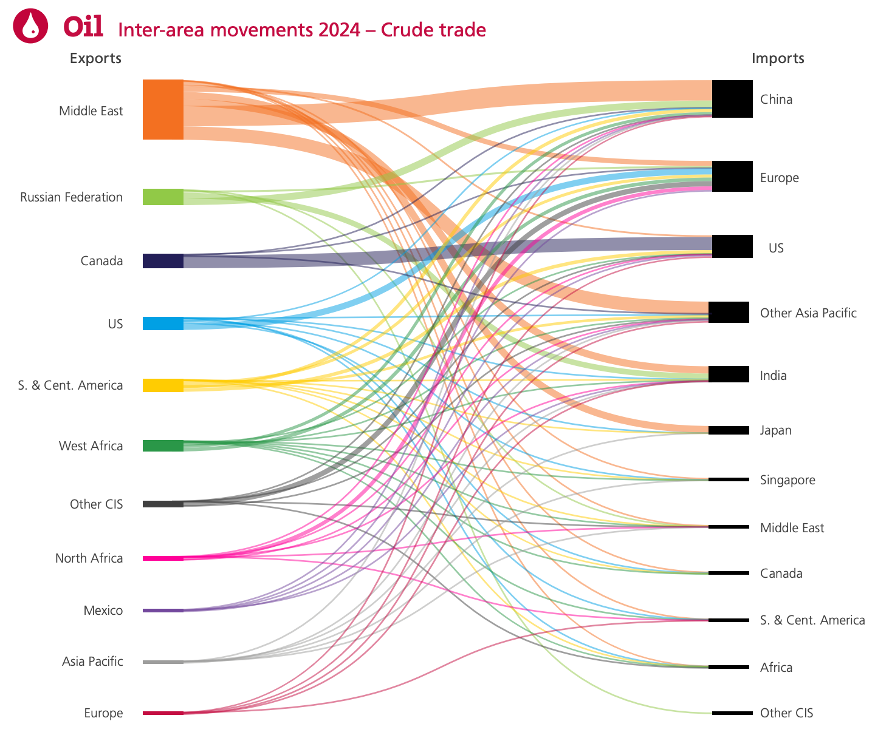
Oil trade: As we covered in our previous issue, crude oil is not evenly distributed around the globe. Some countries and regions are major producers, and some are major consumers, but not often both. China and Europe are the leading net oil importing regions (crude oil and petroleum products). The Middle East is by far the leading net oil exporting region. Russia is next but exports less than a third of the oil that the Middle East does. The U.S. has long been the biggest consumer of oil in the world. More recently, it also became the largest producer. Prior to 2020, the U.S. was a net oil importer but is now a net exporter.
Crude oil trade, 2024
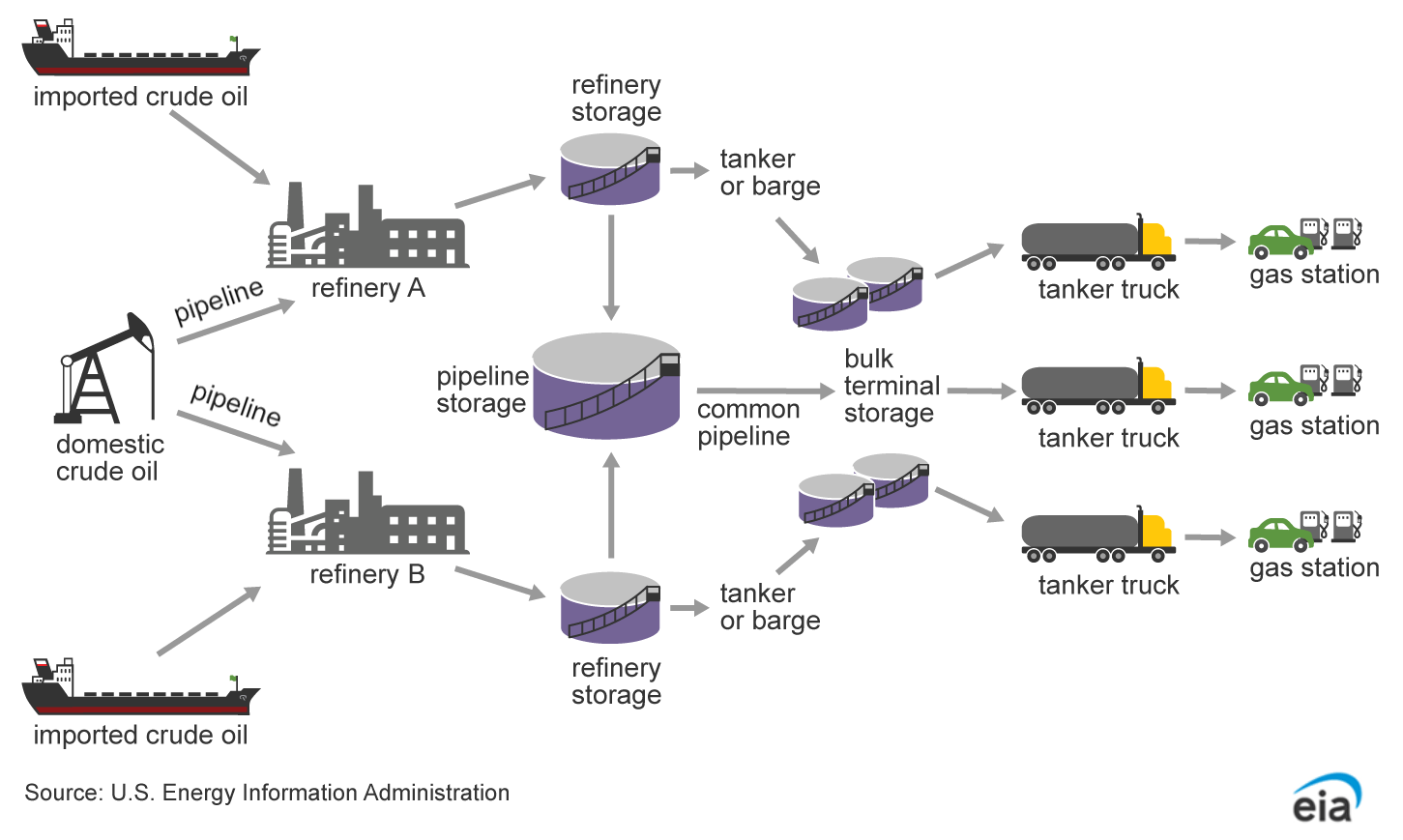
How it works: After crude oil is extracted and processed, it’s transported to refineries to be made into petroleum products. Typically, crude oil is moved long distances while refining tends to happen closer to where the petroleum products will be used.
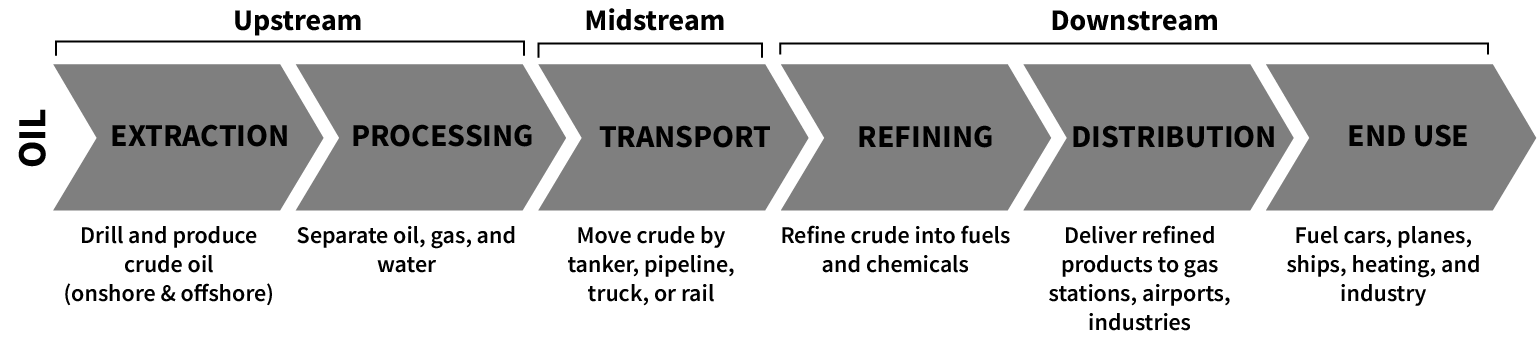
Petroleum products are a broad category. The vast majority of petroleum products are transportation fuels such as gasoline, diesel, and jet fuel, and are referred to as “refined petroleum products.” Other petroleum products include things like asphalt and feedstocks for chemicals and plastics.
Crude oil and refined petroleum products are transported using three main methods:
- Tankers dominate international transport of crude oil and refined petroleum products.
- Pipelines are the primary land transport mode for crude oil and refined petroleum products.
- Trucks transport refined petroleum products to fueling stations or are used to transport crude oil and refined petroleum products where pipeline infrastructure is lacking.
Rail is also sometimes used but accounts for a very small share of crude oil and refined petroleum products transport.
How oil is transported
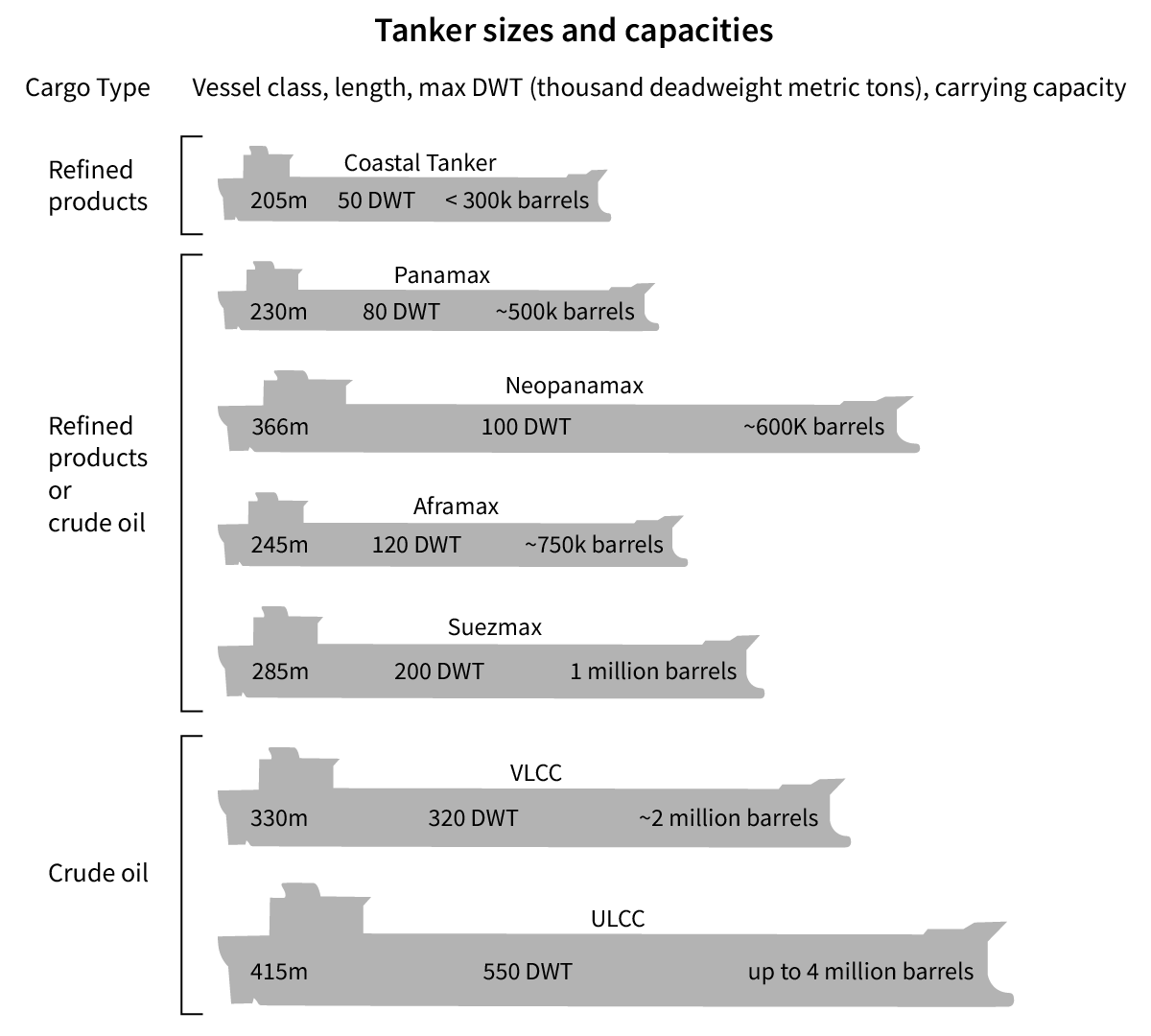
Oil tankers: In 2023, 48% of all crude oil produced was exported. Of that, 96% traveled on water (seaborne) via tanker. Seaborne crude oil travels farther than seaborne refined petroleum products on average (~5,000 miles vs ~2,000 miles).
Tankers have two classifications:
- "Clean tankers" transport refined petroleum products.
- "Dirty tankers" transport crude oil.
Individual tankers transport either refined petroleum products or crude oil, but not both. They come in a variety of sizes, and some are huge (i.e., over 450 meters long, which is as long as the Empire State Building is tall). Crude oil is typically shipped on Very Large Crude Carriers (VLCC) or Ultra-Large Crude Carriers (ULCC). The economics of shipping crude oil and refined petroleum products improve as the size of the ship increases along with distance traveled.
Oil tankers have multiple cargo compartments that have to be loaded and unloaded evenly to maintain stability. Watch this 1-minute video on How an Oil Tanker Works and is Designed to see how it’s done. Also, oil tankers can’t travel safely and efficiently when completely empty. Separate ballast tanks, often located in space between the cargo containers and the hull, are filled with seawater to add weight, stability, and control. International Maritime Organization (IMO) regulations require ballast seawater to be treated to kill non-indigenous marine organisms before releasing it into the ocean in a new location.
Maritime chokepoints are narrow channels along widely used global sea routes that are critical to global energy trade and security because of the large volumes of petroleum and other liquids and liquified natural gas that pass through them.
Map of daily transit volumes of petroleum and other liquids
through world maritime oil chokepoints, January-June 2025
(million barrels per day)
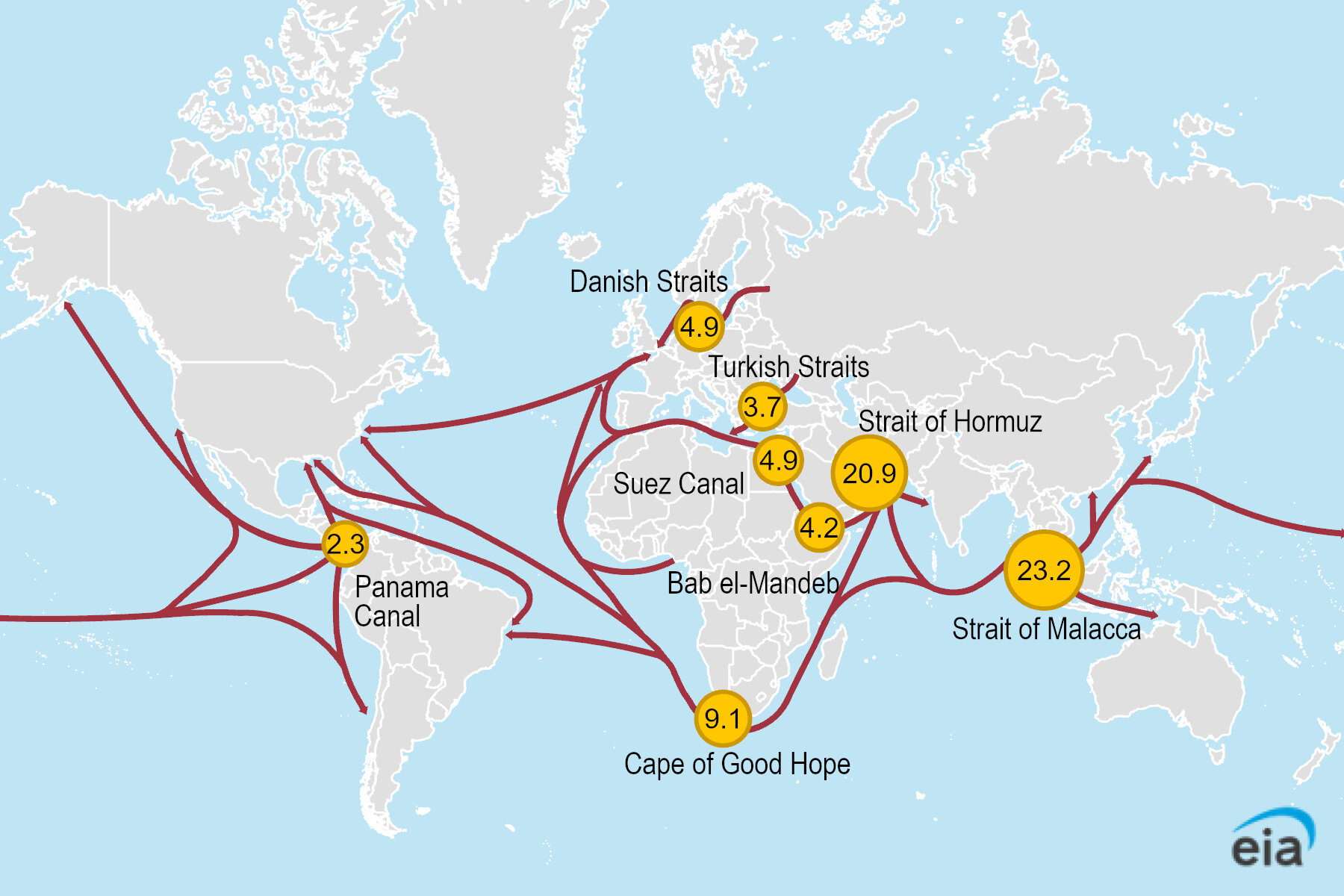
Some chokepoints can’t accommodate the largest crude oil tankers. For example, VLCCs and ULCCs are both too large to transit the Panama Canal fully laden, even with the canal’s expansion in 2016. The Suezmax is the largest fully laden vessel that can pass through the Suez Canal. Unlike the Panama and Suez Canals, the Strait of Hormuz is deep enough and wide enough to accommodate the world’s largest crude oil tankers.
Chokepoints are vulnerable to piracy and attacks because they’re narrow and confined, making tankers and other ships easy targets. Most chokepoints can be circumvented by using other routes, but it can significantly add to cost and transit time. For example, when Yemen Houthi rebels disrupted transit through the Suez Canal in late 2023, tankers were forced to take the longer and more expensive route around the Cape of Good Hope, and oil prices spiked.
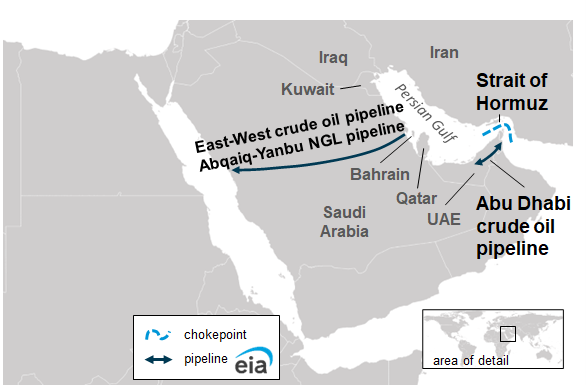
Some chokepoints, like the Strait of Hormuz, have no practical alternative routes for tankers. The Strait of Hormuz is one of the world’s most important oil chokepoints and a critical exporting route for oil from the Middle East. Much of the oil (crude oil plus refined petroleum products) that transits the Strait of Hormuz (normally the equivalent of 20% of the world’s crude oil supply) has no alternate means of exiting the region due to limited pipeline, trucking, and rail capacity. In response to the U.S.-Israel war with Iran, Iran has closed the Strait of Hormuz to the U.S. and its allies, causing the largest disruption in global oil supply in history. Learn more about the Strait of Hormuz.
Map of the Strait of Hormuz and the Arabian Peninsula
Drought and accidents have also impacted traffic through maritime chokepoints. The Panama Canal, for example, had to dramatically reduce traffic in 2023 due to historic drought at Gatún Lake which lowered canal water levels. In 2021, one of the world’s biggest ships accidentally ran aground in the Suez Canal, blocking all traffic for six days.
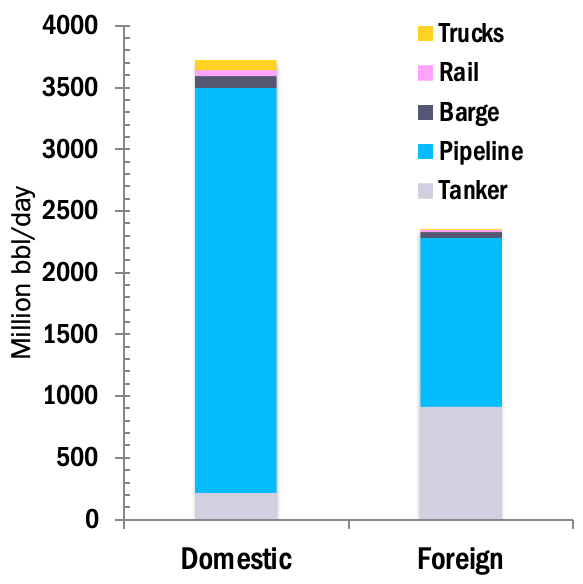
Pipelines: The cheapest and most efficient mode for transporting oil over land is typically via pipeline. In the U.S., over 200,000 miles of oil pipelines carry over 90% of crude oil transported between major U.S. regions and ~80% of refined petroleum products. Almost all domestically produced crude oil is transported via pipeline to refineries. Crude oil from Canada, the U.S.’s largest foreign crude oil supplier (63% in 2024), is also primarily transported to the U.S. via pipeline.
U.S. refinery receipts of crude oil by transport mode, 2024
Refined petroleum products are moved from refineries to distribution centers via pipeline in batches. Batching pigs (think of plugs that move down the pipe with pressure) act as physical barriers between different refined petroleum products so that multiple products can be moved through the same pipeline.
Environmental impacts
Oil spills during transport can have significant impacts on the environment, including contaminating fresh water supplies, killing sea life and birds, and polluting land. Spills can also affect human health and property. Oil spill clean up is hard and can take a long time.
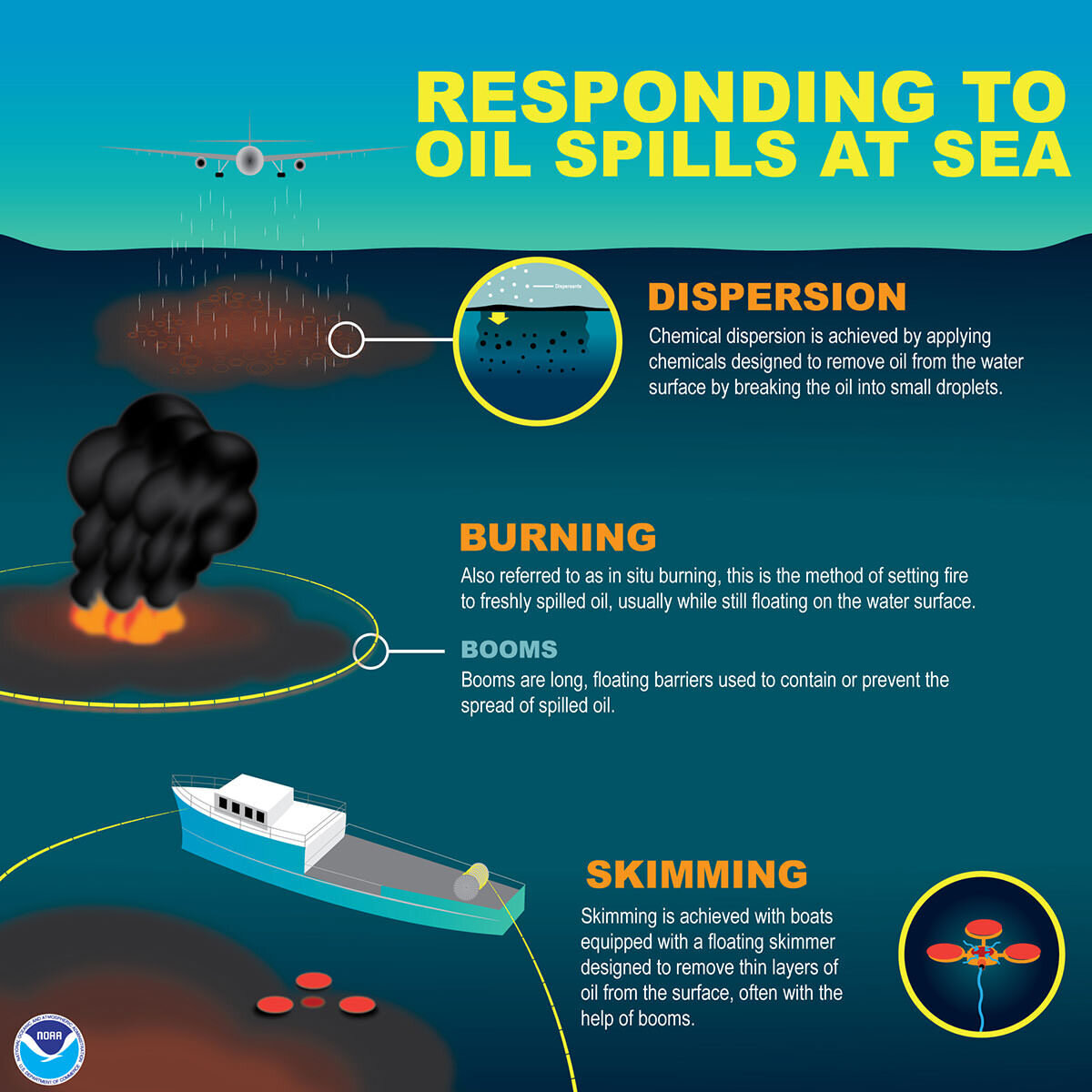
Oil spill cleanup on water is especially challenging. Oil is lighter than water and will float for a short time before it is churned and mixed into the water, so quick response is critical. Key methods for oil spill remediation on water include:
- Deploying booms. Booms are long, floating barriers used to contain and prevent the oil from spreading.
- Skimming. Special boats remove thin layers of oil from the surface.
- Dispersion. Chemicals are used to break the oil into small droplets, which are then transported by currents and subjected to other natural processes such as biodegradation.
- Burning. The freshly spilled oil is set on fire. This method can cause significant local air pollution.
The Exxon Valdez Oil Tanker Spill
On March 24, 1989, the fully loaded (53 million gallons) very large crude carrier (VLCC) Exxon Valdez struck Bligh Reef and ran aground in Alaska’s Prince William Sound. Eight of the ship’s 11 cargo tanks were torn open, spilling 11 million gallons of crude oil into the Gulf of Alaska and resulting in one of the worst environmental disasters in U.S. history.
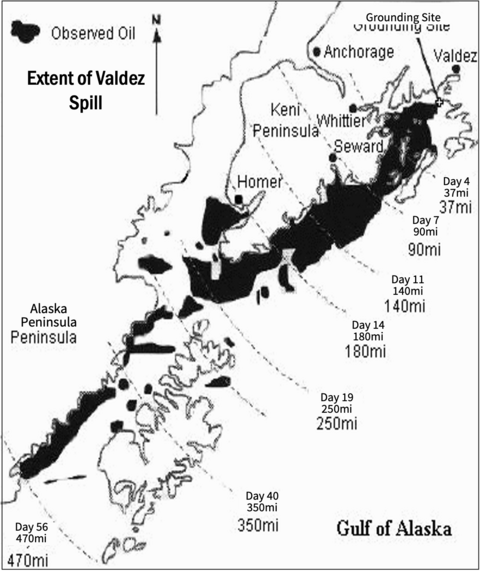
Due to the location and environment, the Valdez spill caused a disproportionate amount of damage relative to the sheer volume of oil spilled. Prince William Sound is a highly sensitive and ecologically significant inland sea known for its rich biodiversity. An estimated 1,300 miles of Alaskan coastline were eventually affected.
| Found dead: | Estimated dead: |
|---|---|
| 35,000 birds 1,000 sea otters | 250,000 seabirds 2,800 sea otters 300 harbor seals 250 bald eagles 22 orcas billions of salmon and herring eggs |
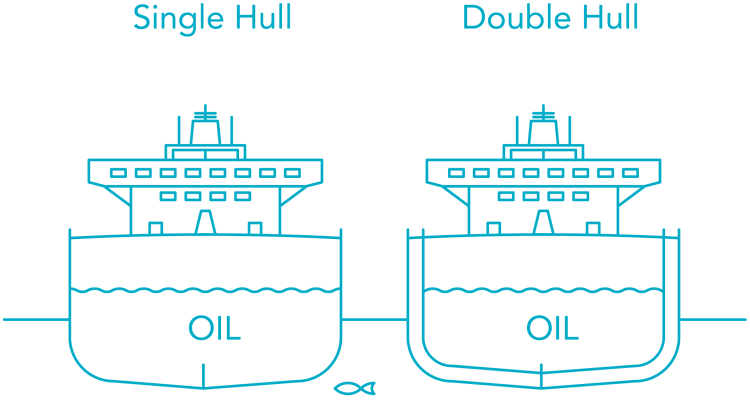
Largely in response to the Valdez spill, U.S. Congress passed the Oil Pollution Act of 1990 requiring contingency plans for any company seeking to ship oil into the U.S., and mandating that tankers entering U.S. waters be double hulled to keep oil from leaking if there is a breach in the hull. The IMO followed suit shortly after by introducing new international requirements for double hulling of some oil tankers. In 2007, the IMO expanded the regulation to include more types of ships. Double hulled design has been an effective method for reducing oil spills.
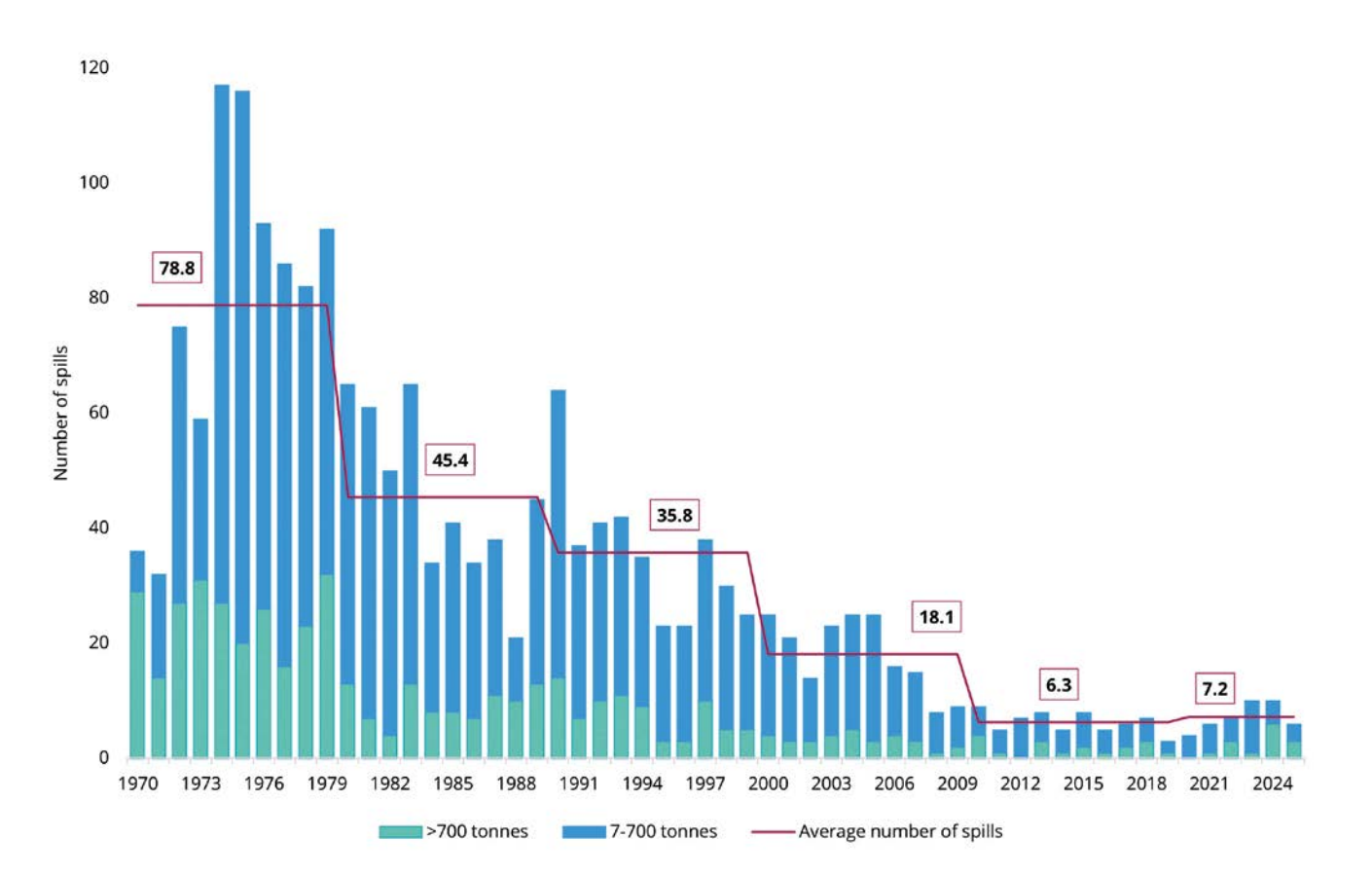
The number of oil tanker spills has decreased globally over the last 50 years, even as the volume of oil transported has doubled. In 2025, ~0.0001% of the global oil transported in tankers was spilled. However, when an oil spill occurs, it can be devastating to the local area.
Global oil tanker spills have decreased, but oil spills still have local impacts
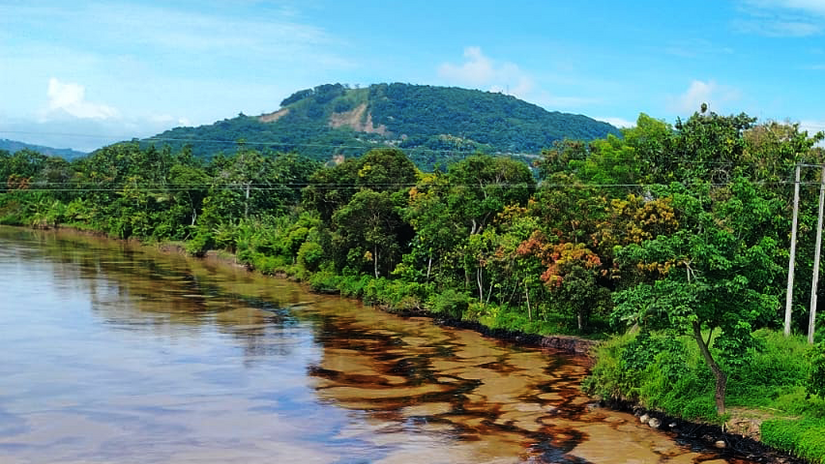
Oil spills can also happen from pipelines, which can be located in communities, rainforests, and coastlines. Oil pipelines can be above ground, below ground, and under water. Common causes of pipeline oil spills include corrosion, external damage, weld failures, deliberate acts, and human error. Remediation of oil spills on land is different from remediation on water. Some methods are physical removal (excavation), bioremediation (using microorganisms to break down the oil), sorbents (materials that act like a sponge to soak up oil), and burning.
Like tanker oil spills, pipeline spills can be extremely damaging to the environment. For example, in March 2025, a landslide caused by heavy rains ruptured the Trans-Ecuadorian Oil Pipeline System and released over 25,000 barrels of crude oil, impacting more than 300,000 people. The oil spill contaminated three main rivers used for drinking water and irrigation. The oil also released toxins into the air and soil, impacting human health, agriculture, livestock, and fishing.
Oil tankers and other ships emit air pollution and greenhouse gases (GHGs). Bunker fuel, the fuel used by ships, tends to be a heavier, dirtier fuel than diesel or gasoline. For example, bunker fuel contains sulfur, which forms sulfur oxides (SOx) when burned. SOx can negatively impact human health (respiratory ailments) and lead to acid rain. Since the start of 2020, the IMO has required ships to use fuel with a maximum 0.50% sulfur content (down from 3.5% but still 330 times the amount of sulfur allowed in on-road diesel in the U.S.) or use scrubbers to clean exhaust gases in order to reduce sulfur emissions. This regulation is broadly successful, with studies showing a nearly tenfold drop in sulfur emissions, though compliance varies.
Many local jurisdictions have even more rigorous standards on a variety of air pollutants for when ships are in port or at berth. For example, the California Air Resources Board (CARB) tightly regulates air emissions from ships for all six of California’s ports. To meet more stringent local emissions standards, some ships switch to cleaner fuels when in port or at berth and then switch back to cheaper and dirtier bunker fuel when in international waters. Some ships have the ability to connect to the local electrical grid and shut down their diesel engines while at berth, reducing noise and air pollution by up to 99%. This is called “cold ironing.”
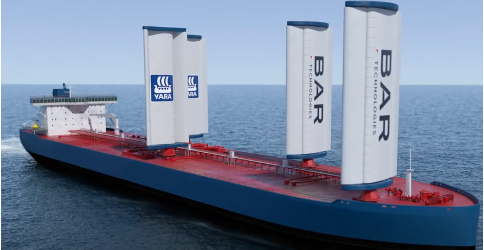
The IMO has also implemented legally binding measures to achieve GHG emission reduction targets that are in line with the 2015 Paris Agreement. These measures aim to encourage energy efficiency and drive the adoption of low- and zero-emission fuels and technologies. For example, using the wind to move ships (like we used to!).
Current and future trends
The effective closure of the Strait of Hormuz is causing a dramatic reduction in global oil trade. Top oil producers in the Middle East (Kuwait, Saudi Arabia, Iraq, and UAE) have had to cut 10 million barrels per day of crude oil production (about 10% of global oil supply) as regional storage facilities reach capacity, causing oil prices to soar. If the Strait of Hormuz remains closed to the U.S. and its allies, oil prices will likely remain high, creating a higher risk of stagflation or recession for many economies, including the U.S., Europe, and East Asia.
The global oil tanker fleet is aging, which is a growing issue as environmental regulations increase. At the end of 2025, 23% of all tankers were over 20 years old, and 45% were 15 years or older. Charterers have traditionally capped tanker life at 15 to 20 years, but tanker supply constraints have pushed limits to 25 years in some cases. Many sanctioned oil tankers (vessels prohibited by international bodies or nations from trading) are well beyond 25 years old, creating significant environmental and safety risks. These “shadow fleet” tankers are often poorly maintained, fall outside normal inspection protocols, and have no insurance if something goes wrong.
New oil tankers are more fuel-efficient, have fewer emissions, and cost less to maintain than older vessels. Energy efficiency measures like advanced propeller designs, silicon hull coatings, waste-heat recovery systems, and shaft generators are being widely adopted, while variable frequency drives are becoming standard and shore power connections are appearing on smaller product tankers, according to Catrine Vestereng, SVP and Global Business Director for Tankers at DNV. Vestereng is bullish on the tanker newbuilds market, expecting steady ordering activity through 2026 and beyond, driven by an acute need for more capacity on the market and to replace retired vessels.
In the news
News: Russia is one of the world’s top oil exporters and is emerging as a clear economic winner in the U.S.-Israel war with Iran. Despite being sanctioned, Russian oil has been trading at a premium because it does not have to travel through the Strait of Hormuz to reach markets. In an attempt to increase supply and lower global oil prices, the U.S. temporarily (for 30 days) eased sanctions that prevented other countries from buying Russian oil. This easing of sanctions allows Russia to sell oil that was already loaded on ships and accumulating at sea.
Context: Before the U.S.-Israel war with Iran, Russia’s oil revenues were decreasing. In February 2026, Russia’s oil-and-gas revenues were 44% lower than they had been a year earlier. With the easing of sanctions by the U.S. and the effective closure of the Strait of Hormuz, Russia gets to sell its at-sea oil at a time when oil prices are high. Estimates for the potential benefit to Russia range from $10 billion to $300 billion. Leaders in Europe and Canada have criticized the easing of sanctions by the U.S., arguing that Russia can use the oil revenues to help fund the war against Ukraine.
Fun Fact
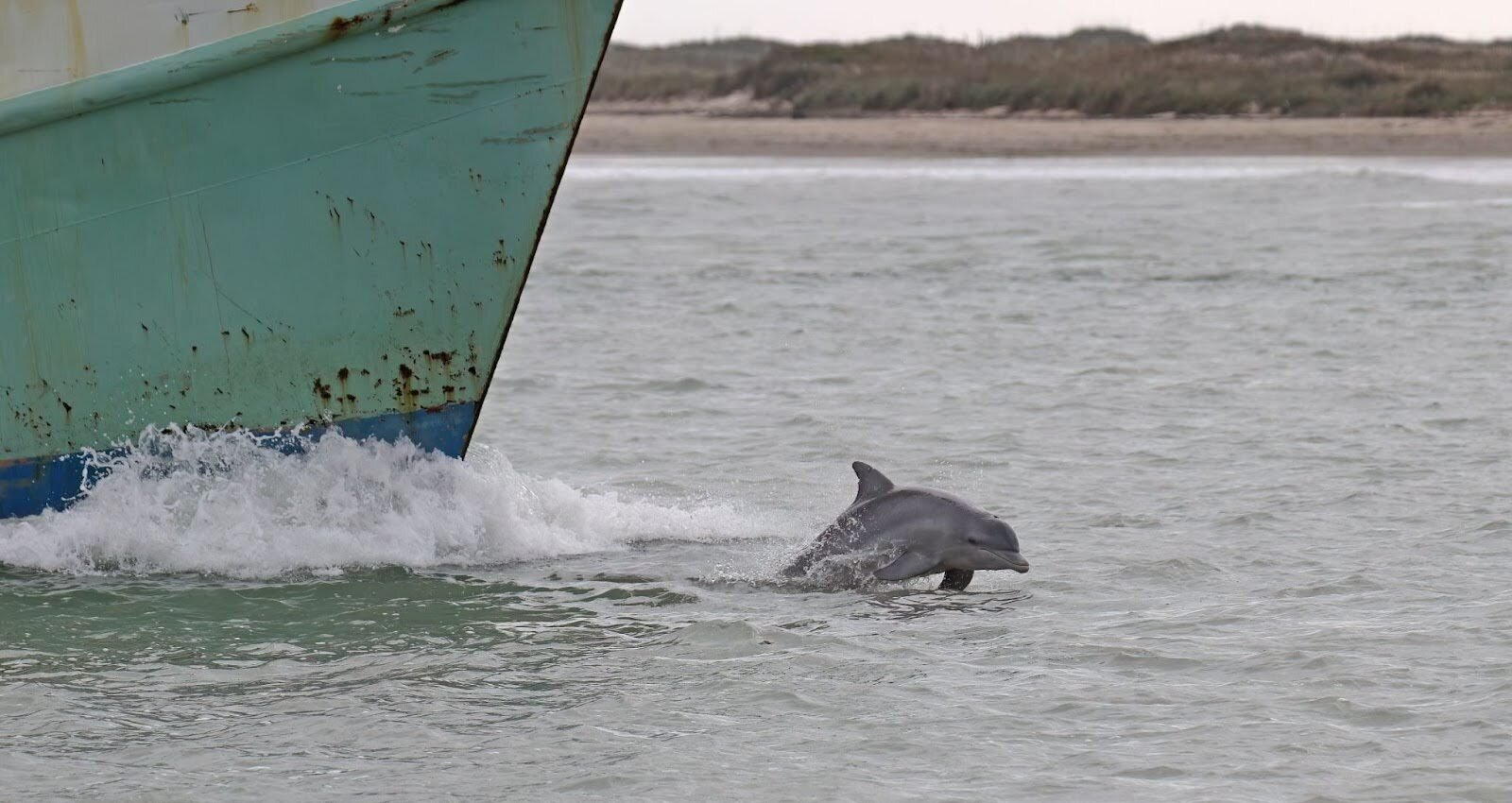
Dolphins like to surf in the waves created by oil tankers!
Riding pressure waves created by the bows of large ships is an energy-efficient way for dolphins to travel, but scientists think they do it primarily for the thrill. Watch these dolphin bow-riding videos to see how it’s done.
Understand Energy team contributors: Dr. Diana Gragg, Sharon Poore, and Shirley Chang
The data in this issue are current as of March 2026. For the most current data, visit our Oil Fast Facts.


