
Understand Transportation

Happy spring! We're back in your inbox with the March edition of Stanford University’s Understand Energy Learning Hub newsletter. This month’s topic is Transportation. What is it? Why does it use so much energy? And why is it difficult to decarbonize? If you like what you see, please share with your friends and family and encourage them to subscribe!
What you need to know
Significance: Transportation is the second largest energy consuming sector of the economy, accounting for almost 30% of the world’s total final energy consumption and nearly two-thirds of global oil consumption. Personal vehicles like cars, light trucks, and motorcycles account for about 60% of energy used in transportation, and the vast majority of those vehicles run on oil.
What is transportation? Transportation systems allow us to move people (personal mobility) and goods (freight) around. They also include the movement of our water and energy resources. For example, natural gas pipelines are part of our transportation system! Other transportation modes include on-road, off-road, maritime, rail, aviation, biking, and walking.
Why do we use oil? Ninety percent of global transportation relies on oil. Oil is extremely energy dense from both a volume and weight perspective. Energy density is important when you are carrying your fuel around, which makes it challenging to transition to other transportation fuels.
Oil-fueled transportation systems are highly inefficient. The internal combustion engines used in gasoline and diesel cars, trucks, trains, boats, ships, and airplanes are heat engines that convert heat to work, an inherently “lossy” process. A “perfect” internal combustion engine can only achieve ~50% efficiency, and a typical internal combustion engine is only about 20-40% efficient. That means that 60-80% of the energy put into the engine is lost.
When you add in additional losses that occur in gasoline cars like transmission losses, auxiliary power, and rolling resistance, only about 10% of the energy in the fuel is left to move the vehicle, and just 1% moves you. For every dollar of gasoline you put in your car, 90 cents is lost to inefficiencies. Imagine how much money you could save with a more efficient system!

Environmental impacts
Climate: Transportation is the largest greenhouse gas emitting sector in the U.S., accounting for almost a third of U.S. greenhouse gas emissions. Globally, it’s the second largest at 16% of global greenhouse gas emissions. In the U.S., personal vehicles like cars and trucks account for ~60% of transportation greenhouse gas emissions.
Air Pollution: Transportation emits air pollutants that affect human health, like particulate matter (PM2.5), nitrogen oxides (NOx), sulfur oxides (SOx), and lead (in some parts of the world), and is a major contributor to ozone formation and smog. Because these emissions occur in our communities near the places where people live and work, they significantly impact human health.
Health impacts from transportation include respiratory illness, cardiovascular risk, brain and organ damage, and mental health challenges. In the U.S., air pollution causes 200,000 premature deaths each year, with vehicle emissions being the biggest contributor. That’s almost five times the number of annual deaths from car crashes. Air pollution disproportionately affects lower income communities and communities of color because those communities are often located along transportation corridors.
California’s Air Pollution Journey
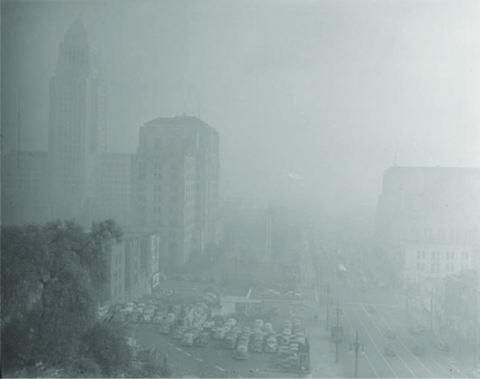
In the 1940s and 50s, air quality in California’s cities was terrible, causing respiratory and other human health issues. It was so bad that people in Los Angeles couldn’t see the surrounding hills and had to carry handkerchiefs to wipe their eyes. People, including movie stars, protested to force California into taking action. A Caltech professor found that cars and road transportation were the main contributors to the poor air quality.
In 1966, California set its first tailpipe emissions standards, and then in 1967, the California Air Resources Board was created. These standards led to dramatic improvement in the air quality in California. Because California set air quality standards before the federal government did, the state has special status, allowing it to apply for a waiver to set stricter air quality standards than the federal government. Other states can choose to follow either the federal government or California’s air quality standards. Seventeen states and the District of Columbia have opted to follow California.
Decarbonizing Transportation
Transportation can be decarbonized in numerous ways, ranging from mode switching (choosing a different mode of transport) to redesigning our cities and transportation systems. We describe some examples below to get you thinking about the broad range of solutions.
Mode switching: Choosing to walk, bike, take public transit, or carpool are all examples of ways to reduce emissions compared to driving alone.
Technology efficiency: Electrification significantly improves transport efficiency. For example, electric vehicles (EVs) are three times more efficient than their gasoline counterparts. Other ways to make transportation more fuel efficient include lightweighting, aerodynamics, and sails (for ships).
Transition to cleaner fuels: Electrification not only improves efficiency, it also gives us the opportunity to use clean electricity generated by resources like solar, wind, and geothermal to decarbonize our transportation system. Road transport (e.g., cars and trucks) and trains are relatively easy to electrify. Planes and ships are more difficult to electrify, so decarbonization efforts also focus on sustainable aviation fuels (SAFs) and other decarbonized liquid fuels (e.g., ammonia).
Urban planning: Planning our urban environments and transportation systems in a thoughtful way can reduce the distances people need to travel and make less carbon intensive modes of transportation more viable. Designing walkable and bikeable cities, co-locating residential and commercial spaces, and providing easy access to fast and affordable public transit are all ways to decarbonize transportation without compromising end use services.
Trip optimization: By optimizing our travel, we reduce air pollution and carbon emissions while also saving time and money. For example, remote work eliminates the need to commute, and grouping errands reduces miles traveled. Delivery services already optimize routing to reduce costs and fuel usage.
Easy things you can do to help:
- Keep your tires inflated to the recommended pressure. Proper tire pressure can improve fuel efficiency by up to 10%, saving fuel and reducing emissions.
- Remove excess weight from your vehicle. Empty your trunk, remove the roof rack when not in use, and avoid carrying around things you don’t need. With these quick changes, you can improve fuel economy by 1-25%, depending on your car.
- Drive efficiently. Avoid hard acceleration, excessive braking, and speeding, all of which decrease your car’s fuel economy. At 60 mph, every additional 5 mph in speed decreases fuel economy by 7-23%.
- Choose later delivery dates for online purchases and request combined shipping when ordering multiple items. Ultra-fast delivery often leads to more delivery trucks on the road, less efficient route planning, and increased fuel consumption.
See our Decarbonize Your Life page for more ways to have a personal impact.
The Bay Area’s New Electric Caltrain!
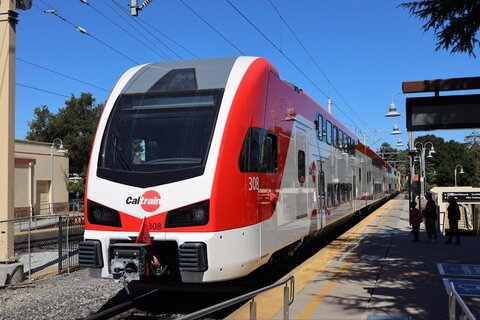
Rail is the only form of transportation that is significantly electrified, with electricity making up almost half of the fuel used for passenger and freight rail. For comparison, only ~3% of personal vehicles and buses and <1% of trucks and airplanes have been electrified.
Caltrain is a commuter train in the San Francisco Bay Area with an annual ridership of nearly 700,000 people. In 2024, Caltrain finished electrifying all of its trains, resulting in faster commute times, fewer emissions, reduced noise, and better local air quality. If you are in the area, check it out!
Current and future trends
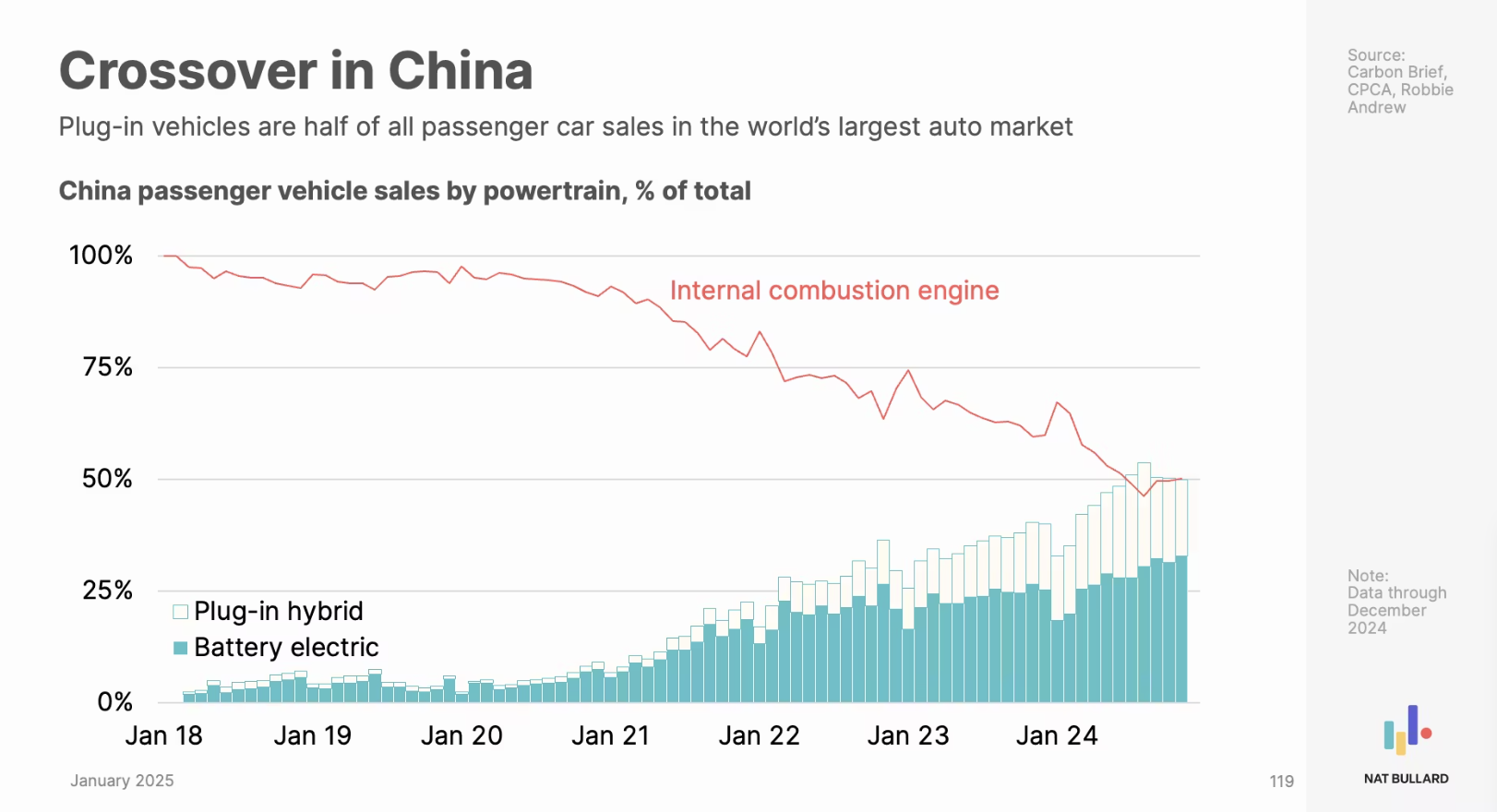
The global vehicle fleet continues to grow and electrify. In China (the world’s largest auto market), plug-in vehicles account for half of all passenger vehicle sales. Worldwide, one in four cars sold in 2024 was an EV.
Ride sharing services like Lyft and Uber are also growing. Their impact on energy use and carbon emissions is still being studied. It’s a complicated picture for many reasons. For example, ride sharing services potentially reduce car ownership and the overall number of cars. However, they may also detract from the use of public transportation and encourage more trips because of their ease of use.
Innovation continues for other lower carbon transportation solutions including electric airplanes, hydrogen powered trucks, and ammonia fueled ships. We expect to see some of these solutions being implemented commercially in the next decade.
In the news
News: A new, fully electric ferry line is expected to open soon running between Tarifa, Spain and Tangier, Morocco. The catamarans are powered by four electric propulsion units and can hold up to 225 cars and 800 passengers. In between each trip it will only take 40 minutes to recharge!
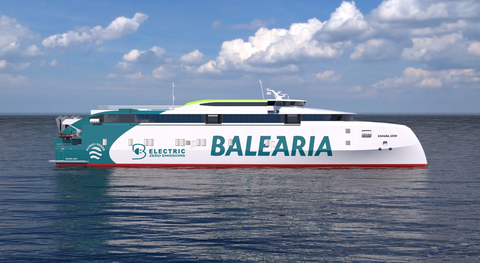
Context: Many areas across the world are transitioning to electric ferries, including Norway, Singapore, and San Francisco. These examples showcase how electrification is moving beyond cars and trains into other more difficult to electrify modes of transportation.
Fun Fact
Though it seems like electric vehicles are a new phenomenon, the first official first EV was manufactured in 1888! Its name was the “Flocken Elektrowagen”. It looked like a carriage equipped with an electric motor and reached a top speed of 9mph. These early electric vehicles were primarily marketed to women, as their clean and quiet operation aligned with the era’s expectations of femininity.

Want to test your knowledge of transportation?
Take our quiz
The data in this issue are current as of March 2025. For the most current data, visit our Transportation Fast Facts.


